 Skip to content


When belongings are disputed during an estate clearance, keep them separate, secure and unchanged until ownership and authority are clear. Don’t sell, donate, discard or distribute them while the disagreement remains unresolved.
You may still be able to arrange agreed work elsewhere in the home. Start by identifying who can give instructions, recording what is there and keeping uncertain items outside the removal scope.
Key takeaways
- Being a close relative, beneficiary or homeowner doesn’t automatically give someone authority over every belonging.
- Keep a written inventory, condition photographs and a record of communications before items move.
- A clearance company cannot settle ownership disputes. Serious or unresolved disagreements need professional legal advice.
Establish who can give instructions
Identify the estate representative
Find the will and identify the executor before arranging removals. Where there isn’t a valid will, an eligible person may need to apply to become the administrator.
In England and Wales, an executor’s authority comes from the will, although a grant of probate may be needed for particular estate matters. An administrator generally needs letters of administration.
GOV.UK’s guidance on dealing with a deceased person’s estate explains the personal representative’s responsibilities. These continue until the estate passes to its beneficiaries.
Where several representatives are involved, establish how instructions will be agreed. Choosing one contact for the clearance doesn’t settle their legal decision-making powers.
Separate authority from ownership
Authority to manage an estate doesn’t mean every object in the home belongs to the estate. Some belongings may be jointly owned, borrowed or owned by someone else.
The applicable process also matters. Scotland uses confirmation, whilst Northern Ireland has its own probate procedure. GOV.UK’s probate application guidance distinguishes the different routes.
Take legal advice in the relevant jurisdiction where ownership or authority is unclear. Don’t apply an England and Wales procedure automatically elsewhere.
Keep disputed belongings separate and secure
Put contested items in a clearly identified area, away from approved removals. Depending on their size and condition, this might be a lockable cupboard, secure box or separate room.
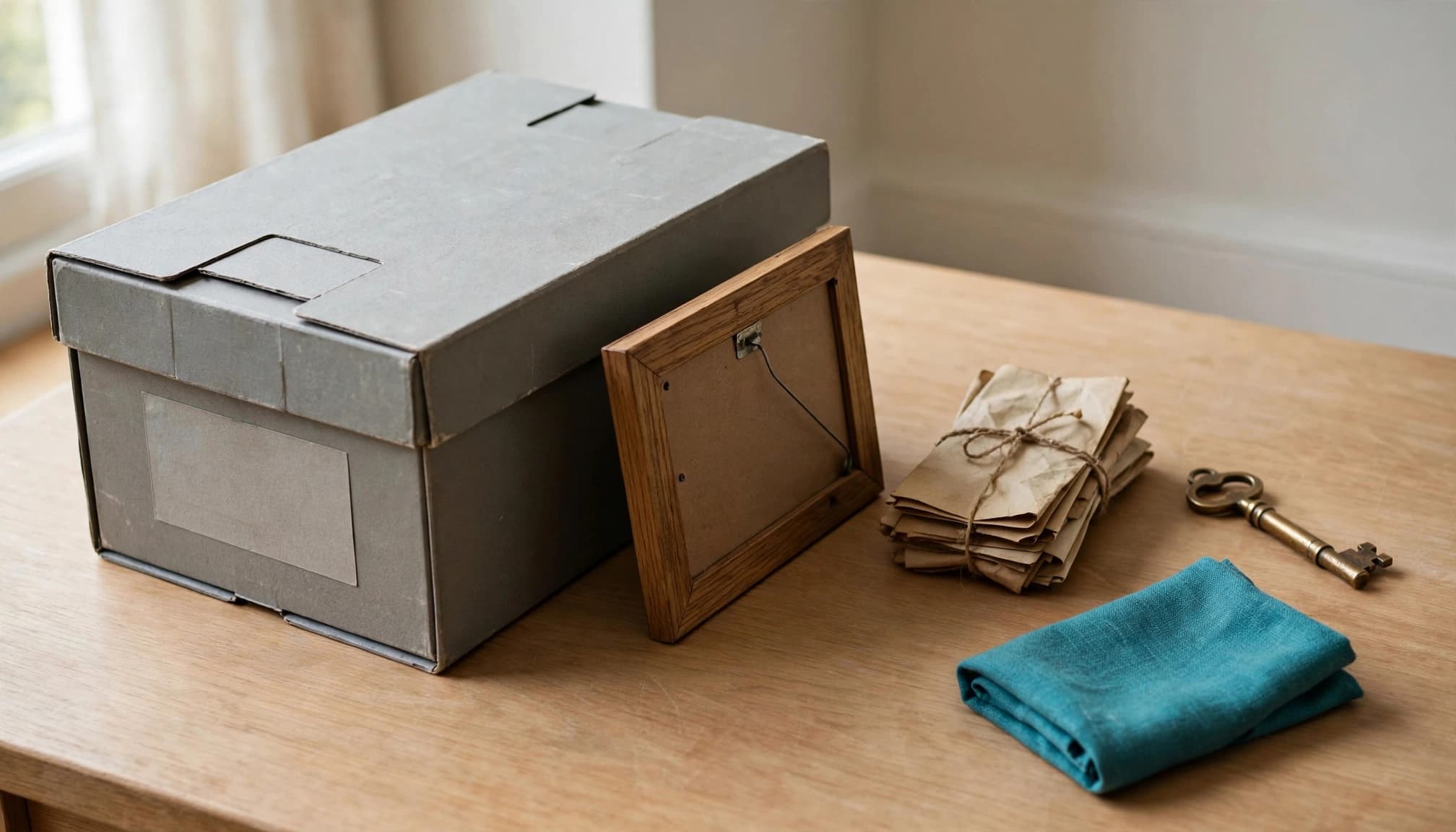
Use neutral wording on storage records, such as “ownership unresolved”. Don’t label an item as belonging to a particular relative unless that has been established.
Leave belongings unchanged wherever possible. Avoid polishing jewellery, repairing furniture, resetting devices or separating collections. Their existing condition and accompanying papers may matter later.
A passport, birth certificate, photographs and letters need protection, even where they have little resale value. Keep personal information away from general waste and unnecessary circulation.
Record who has keys and who can access the storage area. If an item must move to prevent damage, photograph it first and record its new location.
Where external storage is needed, record the arrangements, costs and who authorised them. Don’t assume every expense will be recoverable from the estate.
Make a record before anything leaves
Create an inventory and condition record
Give each disputed item a reference number. Record its description, location and visible condition, including existing damage, markings and associated documents.
For each entry, include:
- Clear photographs showing the whole item and relevant details.
- The names and claims of people making a claim, plus contact details where needed. Record only the details necessary and store them carefully.
- Where the item is stored and who has access.
- Any valuation, proposed destination or decision still needed.
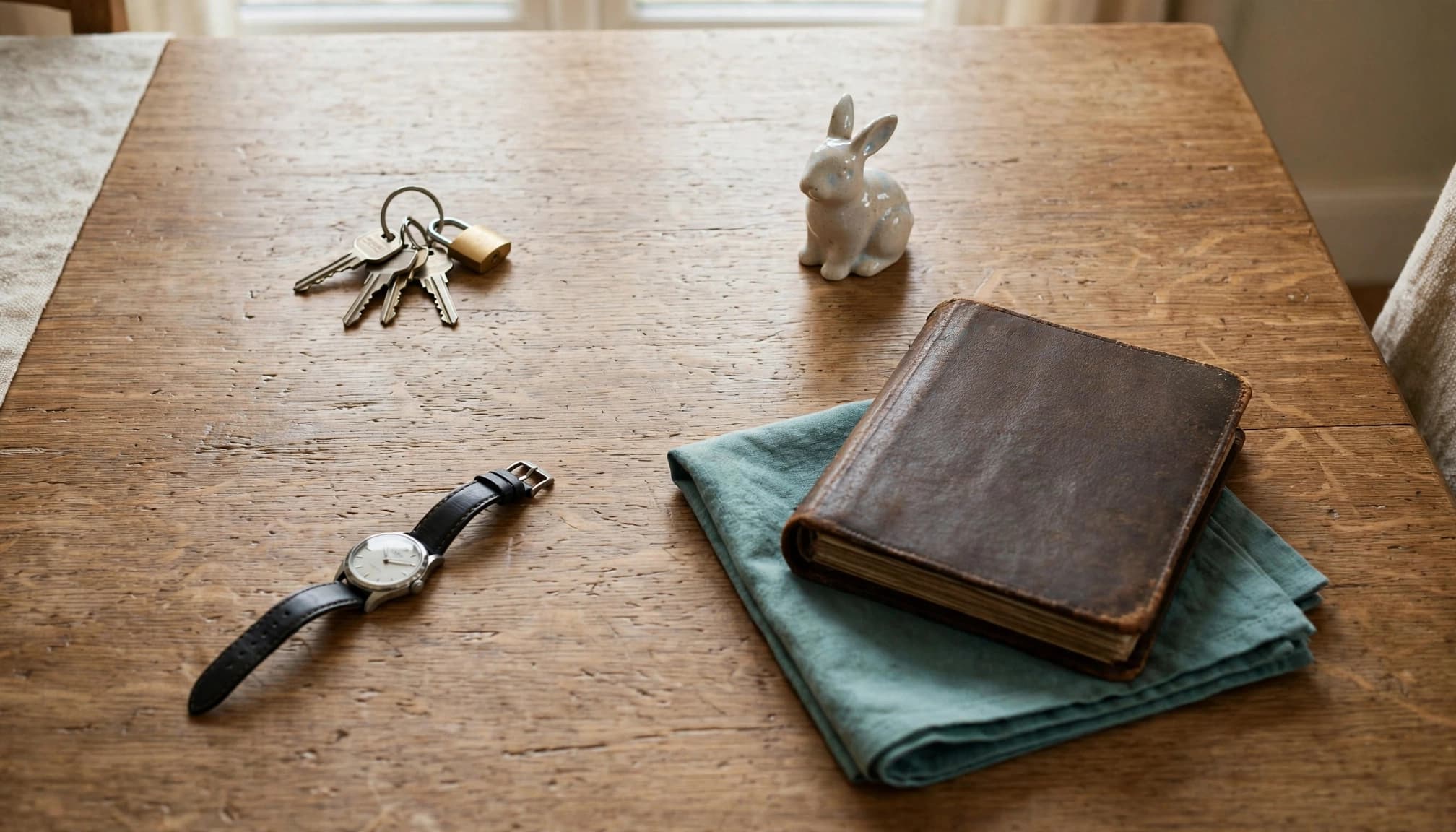
Keep descriptions factual. “Gold-coloured watch” is safer than recording an unverified material or value.
Keep communications together
Retain relevant emails, letters and messages. After a telephone conversation, send a short written summary so misunderstandings can be raised promptly.
Record decisions separately from requests. A relative asking for an item doesn’t mean its release has been approved.
Where an authorised transfer eventually takes place, record the date, recipient and item reference. Obtain written acknowledgement of receipt.
Keep the original inventory as well as later updates. This helps show what changed and when, without relying on anyone’s memory.
Work towards agreement without rushing a decision
Distinguish ownership claims from keepsake requests
Ask each person to explain their position. Are they saying an item already belongs to them, that the will gives it to them, or that they would like it?
These are different questions. Receipts, earlier photographs, correspondence and written gift records may help explain a claim. None should be treated as conclusive without considering the wider circumstances.
Give relevant family members a reasonable opportunity to identify keepsakes. Photographs can help those who cannot attend. Personal information should only be shared where needed.
A family arrangement must respect ownership rights, the will and the estate representative’s duties. Informal choosing or drawing lots is unsuitable for resolving disputed legal ownership.
Use valuation and legal advice for different questions
A valuation can help establish financial value. It cannot decide who owns an item or whether someone is entitled to receive it.
Jewellery, artwork, antiques and collections may need specialist assessment before any proposed sale or distribution. Our guidance on valuing household contents for probate explains the distinction between contents value and clearance costs.
Where agreement remains out of reach, a qualified solicitor can advise on the claim and possible next steps. Some firms offer a free consultation, so check its scope before booking. Mediation may help relatives discuss a settlement.
If belongings have gone missing or someone threatens immediate removal, seek legal advice promptly. Keep the remaining items secure rather than trying to settle the matter through competing removals.
Keep agreed clearance work moving
One disputed item doesn’t necessarily require the whole home to remain untouched. A partial clearance may allow approved work to continue whilst contested belongings stay protected.
Prepare written instructions covering the areas included, items excluded and the person authorised to approve changes. Make the exclusions specific enough for everyone involved to understand.
“Leave all photo albums in the front bedroom” gives clearer instructions than “keep anything important”. Include items that haven’t yet been found, especially documents, jewellery and named collections.
An instruction to clear a room should never override a recorded instruction to retain a disputed item.
Our probate clearance service concerns practical clearance work. A clearance team cannot interpret a disputed will, settle family ownership or decide the estate’s tax valuation.
Donation still removes an estate asset. Sale, donation, recycling and disposal all require appropriate authority, though legal rules vary. Depending on the circumstances and applicable law, it may be illegal to get rid of a disputed estate item without proper authority. A booked collection doesn’t remove that requirement.
Treat a living person’s belongings separately
Belongings left by a former partner
A living person’s possessions don’t become estate assets simply because they’re in the deceased person’s home. Keep those possessions separate from estate contents while ownership is checked. The same caution applies when an ex-partner leaves belongings in a rented property in your name.
Someone left holding another person’s goods may be described as an involuntary bailee. Getting rid of them without authority may be illegal, depending on the circumstances, and can lead to a legal claim.
The Torts (Interference with Goods) Act 1977 provides a conditional process for selling certain uncollected goods. It doesn’t give general permission to get rid of disputed belongings, and its substantive provisions don’t apply in Scotland.
If you know the person’s legal representative, write to them first. List the items and ask how the person can collect belongings through a lawful arrangement. Keep a copy.
Where the person is in prison
If no legal representative is known, the prison may be a route for discussing property arrangements. Provide an inventory and ask whether any items can be received. Don’t send parcels without acceptance arrangements.
If you don’t know where the person is held, GOV.UK’s prisoner location service covers England and Wales. Sharing their location normally requires their permission.
If mental health problems or another circumstance make communication difficult, an appropriate lawful intermediary may help arrange contact. This doesn’t settle ownership or authority.
A restraining order doesn’t settle ownership. Avoid direct contact that could breach an order or create a safety concern. Use a legal representative or another lawful intermediary.
Clothes, family photographs and identity documents should remain protected whilst arrangements are resolved.
Frequently asked questions
Can I clear my mum’s house before probate?
Some early work may be appropriate, including securing the home, locating paperwork, recording contents and dealing with perishables. Wider removal needs clear authority.
Don’t treat family agreement as permission to distribute belongings. Our guidance on clearing a house before probate covers the distinction between protecting contents and removing them.
What if a tenancy deadline means the property must be emptied?
Tell the estate representative about the deadline immediately. A documented partial clearance or secure storage arrangement may help protect belongings whilst the legal position is addressed.
Record what moves, where it goes and who authorised it. A tenancy deadline doesn’t resolve ownership or permit disputed items to be discarded.
What if one relative has already taken something?
Record what appears to be missing and ask for written confirmation of its location and condition. Avoid accusations where the facts remain unclear.
Give the information to the estate representative. If return is refused or ownership remains disputed, seek legal advice. Citizens Advice can provide initial guidance; Shelter is relevant where housing rights are also involved.
Move forward with a clear, agreed scope
Disputed belongings need protection and a recorded decision before removal. Keeping them separate allows other authorised work to proceed without forcing an answer about every item.
You don’t need to resolve the whole estate before discussing practical clearance. Keep the legal decisions with the appropriate representative and give everyone the same written instructions.
If you need help with the agreed work, tell us about your home, including what must remain and what still needs a decision.
