 Skip to content


You don’t need to be at the property throughout a house clearance. A remote house clearance is often possible with a house clearance service. This depends on agreeing access, authority and decisions about belongings before work starts. You can request an online quote after sharing the relevant details.
If you live abroad, manage a tenancy or are arranging a probate house clearance, the concern is usually the same: what happens when you’re not there to check? The answer is a clear scope, one person authorised to make decisions and a handover you can review.
How a remote house clearance works
The company assesses the property, agrees what it may remove, gains access and reports back when the work is finished. You can arrange much of this by phone and email, including requesting an online quote. However, photographs don’t always show blocked rooms, hidden contents or unsafe conditions. Some properties need an in-person assessment before a reliable quote or safe plan is possible. A clearance removes agreed contents, while a house removal transports belongings to another property.
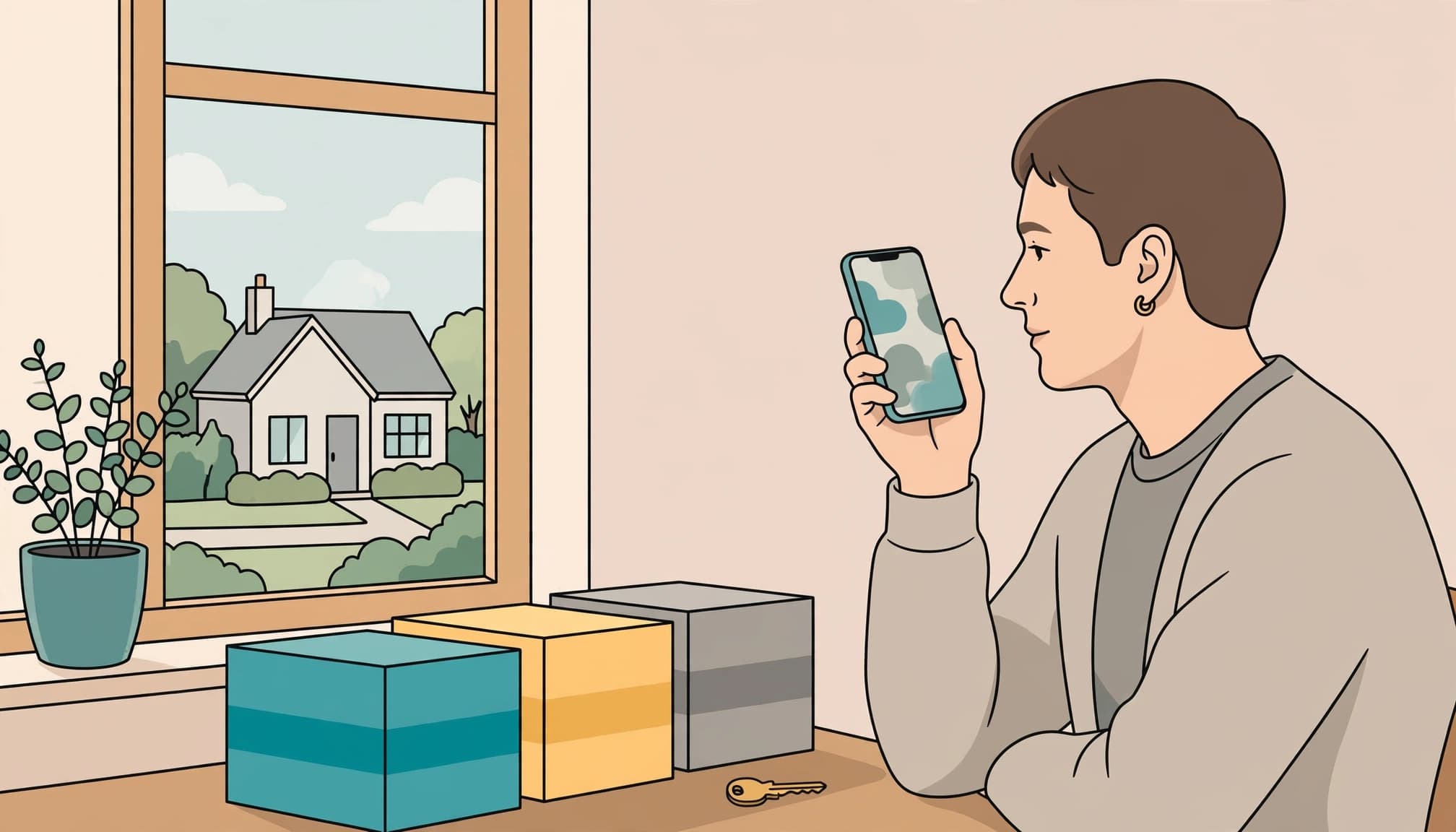
Start with an assessment and written quote
Send photographs or a video of each room when requesting an online quote, including cupboards, lofts, garages and outside areas in the proposed scope. Share the postcode and explain any stairs, restricted parking, shared entrances or difficult access. Mention heavy items, damaged flooring and known hazards, and flag anything that could complicate bulky item collection.
Check that the online quote is provided in writing and lists which areas are included, along with sorting, labour, transport, rubbish removal and cleaning, where applicable. It should make clear that removal covers only the contents agreed in the scope. Ask what happens if the team finds more contents than expected. No additional work should be assumed or charged without an agreed way to approve it.
Agree access and communication
A trusted local contact, letting agent or estate agent may be able to hand over keys. Otherwise, agree a secure collection and return arrangement directly with the provider. Confirm who will lock up, where the keys will go and how you’ll know the property is secure afterwards.
Choose one named person to approve changes during the job. Agree when the team will call, which decisions need photographs and what they must leave untouched until you respond. If you cannot be reached, uncertain items should stay.
Protect the belongings that still matter
A property may contain valuables, paperwork, sentimental items and family possessions amongst things ready to go. The team needs instructions it can follow without guessing.
Give precise instructions for items to keep
Identify known valuables, photographs, keys, passports and financial papers before removal. If someone local can secure them, ask them to do so. If not, request a clearly marked area that remains outside the clearance.
“Keep the photo albums in the front bedroom” is clearer than “save anything important”. List anything the team should look out for, and keep uncertain finds separate for review. Arrange an independent valuation for jewellery, art or collections you believe may be valuable before approving their sale or removal.
Check who can authorise a probate clearance
For a probate house clearance, the legal executor or an authorised representative should confirm what can leave. A relative’s wish to empty a room doesn’t settle ownership, value or a disagreement between beneficiaries. Keep a record of items retained, sold or donated, and pause decisions that need legal or valuation advice.
Landlords should also check what authority they have to remove belongings, including unwanted furniture, left after a tenancy. A deadline for an end of tenancy clearance or rubbish removal doesn’t remove the need to deal with those belongings properly. Where the position is unclear, leave them outside the agreed scope.
What happens to the items removed?
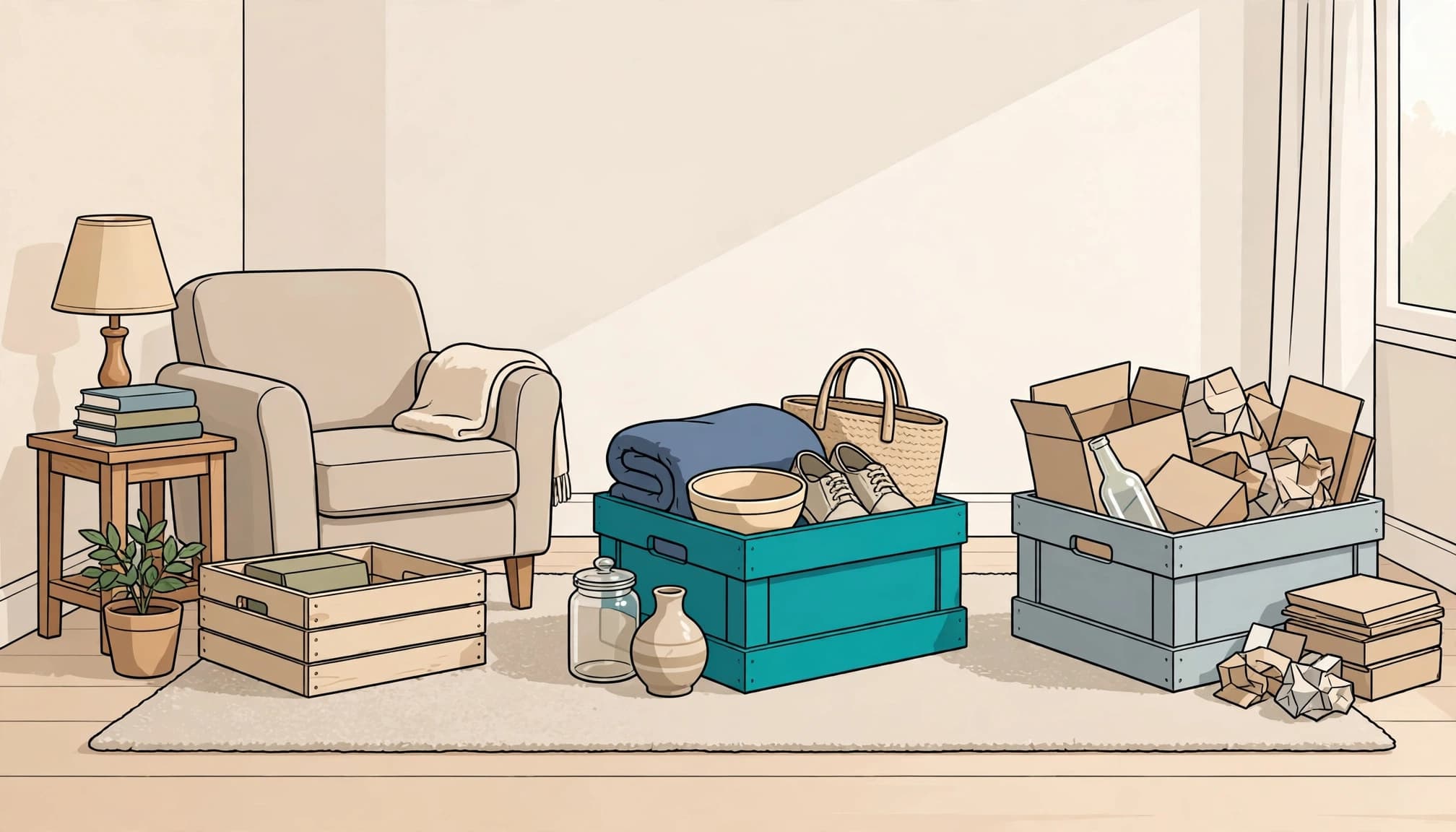
Suitable items, including second hand furniture, may be reused or considered for charity donations; other contents may be recycled through local recycling centres or disposed of, depending on their condition and available routes. These options can support landfill diversion, but ask where usable furniture will go and confirm the agreed rubbish removal arrangements. Charities decide what they can accept, so a promise that everything will be donated isn’t realistic.
Old sofas need particular care. The Environment Agency’s guidance on upholstered seating containing POPs explains how affected waste seating must be handled. Ask the provider how it separates and disposes of items that may fall under those rules.
If you want an auction house or charity to collect particular items, arrange that before the clearance or put the handover in writing. Don’t assume the clearance team will organise it on the day.
Check the provider and the price
A remote house clearance asks you to trust people you may never meet at the property. Check that the company has public liability insurance and search the Environment Agency’s register of waste carriers, brokers and dealers. Although people sometimes use the phrase “waste carriers license”, the relevant UK check is registration on the Environment Agency’s waste-carrier register. Also ask where waste will be taken.
Compare quotes for rubbish removal against the same written scope. The amount to remove, time needed for sorting, weight, access and disposal requirements can all affect the cost. Ask whether white goods removal, appliance removal, mattress disposal or fridge collection carry separate charges. Fees depend on the provider and agreed scope, while cleaning, garden work and removals should be listed separately if required.
If you have a short deadline, give the provider the date straight away. If you use the provider’s online quote form, a same day service still depends on availability, safe access and enough information to assess the job. Be cautious of anyone who promises a full clearance without asking what is inside.
Ask for a clear handover
Agree in advance which completion photographs you need. These might show each cleared room, included cupboards, outbuildings and the condition of access routes. Ask for a note of anything left behind, including items awaiting your decision or areas the team couldn’t enter safely.
Keep the online quote, approved changes, photographs and any paperwork for rubbish removal together. The waste duty of care code sets out the checks to make when someone takes waste away. Ask the provider which records apply to your collection.
A cleared room may still need cleaning or repairs. Check the result against the agreed property clearance work rather than treating completion photographs as a property inspection.
Key takeaways
- You can often arrange clearance without attending, provided access and decision-making are agreed.
- Put important belongings and uncertain items outside the removal scope.
- Ask for a written quote, progress updates and evidence of the finished work.
Common questions about remote clearance
Do I need someone at the property on clearance day? Not always. The provider needs agreed access and a way to reach the person authorised to make decisions.
Can a heavily cluttered home be cleared remotely? Sometimes, but it may need an on-site assessment and a phased plan. Photographs alone may not show what is safe to move.
Can the team set aside documents it finds? Ask for this in writing before work starts. Say where documents should be kept and who may collect them.
A clear next step
You don’t need to have every cupboard sorted before asking for help. You do need to be clear about what stays, what can go and who can decide when something unexpected appears.
If the property is in South Yorkshire, tell us about your property with what you know so far. An agreed plan can take shape before anyone starts removing belongings.
