 Skip to content


A property can look ready to clear and still hold a passport, a set of keys or a photograph nobody wants to lose. Before booking house clearance, agree with the property clearance services team what may be removed and who can make decisions.
You don’t need to sort every cupboard yourself. Protect what matters, tell the team what you know, and leave uncertain items out of the removal plan. That gives everyone a sensible place to start.
Agree the scope for house clearance before booking
Start with the outcome you need from a house clearance. Is the whole property being emptied, or do you need selected rooms cleared so repairs, a sale or a tenancy can move forward? Ask how changes to the agreed scope could affect the house clearance cost.
Check that the provider’s property clearance services cover your needs, whether you require residential clearance or domestic and commercial clearance. For business premises, confirm whether commercial clearance is included.
Full or partial clearance?
A full house clearance usually means removing the contents of the agreed indoor areas. It doesn’t necessarily include the loft, shed, garden or anything fixed to the property. A partial house clearance might cover one room, selected furniture or a first stage of work whilst other belongings are reviewed.
Walk through the property, or send photographs if you can’t attend. Name each area separately, including garages, outbuildings and communal spaces, and note whether garden clearance is needed. If some rooms aren’t safe to enter, say so before a quote is prepared.
Who can give instructions?
Agree one person who can approve the work and answer questions. This matters when relatives, landlords, letting agents or property managers have different expectations.
For an estate, the executor or authorised representative should confirm what may be removed. If you’re dealing with a rented or apparently abandoned property, establish your right to clear its contents before instructing a team. A deadline doesn’t settle questions about ownership.
Understand the house clearance cost and check where waste goes
The house clearance cost depends on what needs removing and how the team can reach it. Volume and weight matter, as do stairs, parking, sorting time and items needing separate handling. Ask property clearance services for a quote based on these details. There isn’t one reliable UK-wide price for every house.
Get the scope in writing
For a house clearance, ask for a written quote based on an accurate description of the property. Photographs can help, but tell the provider about cupboards, lofts and rooms the pictures don’t show.
Check whether the price covers labour, loading, waste disposal and any agreed sorting or cleaning. Don’t compare quotes solely by assuming each van load holds the same amount. Ask how a change in the number of loads, or an extra van load, affects the agreed price.
Furniture removal or other bulky items may affect the quote. Mention a fridge freezer, mattress, piano or unusually heavy item early rather than assuming it’s included. Clarify whether skip hire is relevant and who would be responsible for arranging it.
A quote for removing everything and a plan to protect selected belongings are different things. Make sure both are agreed before work starts.
Check the waste carrier
In England, you can check a provider on the Environment Agency’s public waste-carrier register. For a property elsewhere in the UK, check the registration requirements with the relevant regulator.
Ask how reusable items, recycling and remaining waste will be handled, and what steps ensure responsible disposal. Donation isn’t automatic, especially where ownership is unclear. GOV.UK’s waste duty of care code explains the checks and records involved when waste changes hands.
Sort what stays, what goes and what needs a decision
Before a house clearance, you don’t need to create a perfect inventory. Three groups are enough to give the team workable instructions: keep, remove and needs a decision. The last group matters. An item shouldn’t leave the property because nobody had time to ask about it. A room or a van load isn’t, by itself, permission to remove everything in it. If you’re using property clearance services, give the team written instructions they can follow.

Secure documents and keys
Check desks, bedside drawers, filing cabinets and bags for passports, wills, property papers, bank statements, insurance documents and spare keys. Put them somewhere secure and outside the clearance area if you can.
Old bills may show an account or policy that still needs attention. Don’t put confidential paperwork into general waste. If secure destruction is needed, agree who will arrange it and which papers are approved for disposal.
Identify valuables and personal belongings
Set aside cash, jewellery, photographs, letters, medals and named pieces of furniture. Write instructions the team can act on: “Keep the photo albums in the front bedroom” is clearer than “save anything important”.
If an item may be valuable, disputed or important to a family member, photograph it and leave it for the authorised person to review. If you can’t move belongings safely, agree a clearly marked room or area that the team won’t clear.
Arrange access without creating extra risk
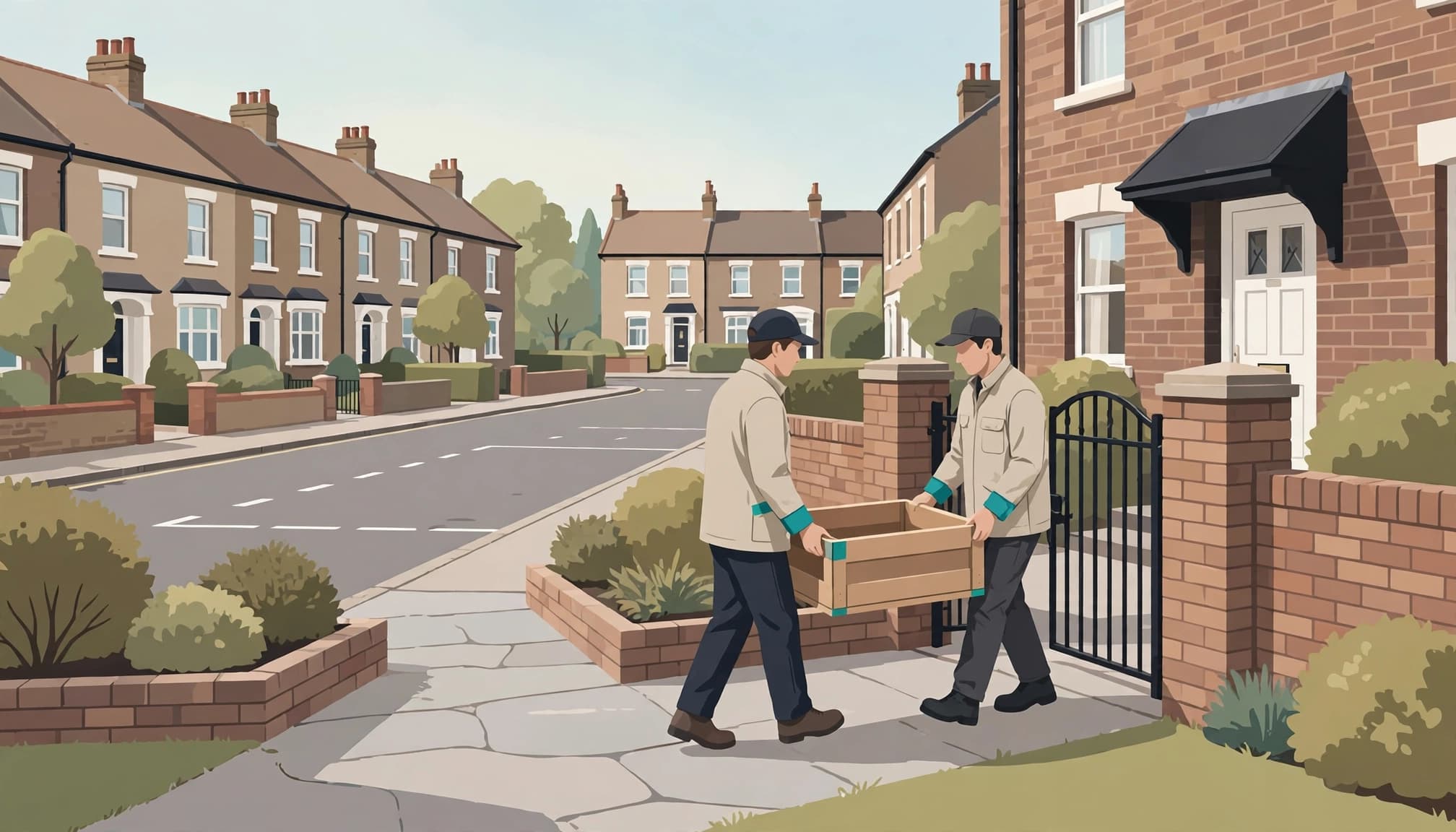
Access affects both the plan and the price. A long route to the van, difficult stairs or a locked outbuilding can change the work required and how the van load is planned. For a house clearance, tell your property clearance services provider about the route before the day.
Confirm keys, parking and the route out
Decide who will meet the team, provide keys and deal with an alarm. Share gate codes and any building access arrangements securely. Check where a vehicle may park and whether permits or permission are needed; don’t assume a space will be available.
Clear small obstructions from the route if it’s safe to do so. You don’t need to shift heavy furniture. Point out narrow stairs, fragile flooring and shared hallways, as these can affect furniture removal.
Tell the team about hazards and people
Mention damaged floors, exposed wiring, mould, pests, sharps or suspected asbestos before anyone starts. Don’t handle unknown chemicals or hazardous materials to make a room look ready. Stop work around anything uncertain and ask what specialist help is needed.
Keep pets away from open doors and working areas. If a resident is vulnerable or distressed by the clearance, agree their arrangements in advance. A quieter time, a separate room or being elsewhere during loading may help, depending on their needs.
Allow more time for difficult decisions
Some homes need a slower plan, not a faster loading team. Tell the provider if belongings are mixed together, access is limited or several people need to approve what happens.
Bereavement and probate properties
For a bereavement probate house clearance, secure the property, locate the will and identify who can instruct the work. Being a close relative doesn’t automatically authorise someone to sell, donate or discard belongings. The executor or authorised representative should approve removals and keep a record of significant decisions.
Photograph and list valuables before they leave. An uncertain item may need a valuation or legal advice. If a tenancy or sale creates pressure, a partial house clearance may be preferable to rushed decisions about the whole home. Also check any conditions the insurer applies whilst the property is unoccupied.
Heavily cluttered or neglected homes
Important papers and belongings can be buried amongst material that needs to go. Don’t feel you must make every room accessible before asking for help. Explain which areas are blocked and what the team should look for. Agree whether sorting is part of the work, and remember that a van load alone won’t show the full scale.
A hoarded property clearance may need a room-by-room approach. Cleaning, pest treatment and clearance are separate tasks unless the quote includes them. The same applies to void properties being prepared for inspection or repair.
The step-by-step checklist before clearance day
Before the team travels, use this checklist to confirm its scope and preparation requirements. Share any changes with the provider.
- Confirm authority and scope. Identify who is instructing the work and which rooms are included. Confirm whether it’s a full house clearance or partial house clearance.
- Separate belongings. Move items you’re keeping, mark approved removal items and put anything uncertain on a written review list.
- Protect papers and valuables. Secure documents, keys, jewellery and photographs. Note any named items the team should look out for.
- Check the quote. Confirm the house clearance cost covers bulky items, sorting, cleaning and garden clearance. Ask whether you need to arrange skip hire or complete other preparation.
- Arrange entry and parking. Share access instructions, confirm who will attend and ask where the vehicle can legally stop.
- Flag risks and personal needs. Report hazards, difficult routes, special requirements, pets and arrangements for vulnerable occupants.
- Agree decisions and handover. Name the person who can approve changes and decide how completed work will be checked.
Tell the team about new items or inaccessible rooms rather than hiding them. Ask the provider whether an extra van load could affect the agreed work or price. The plan can be reviewed before work starts.
Brief the team, then check the handover
At the start of the visit
Walk through the agreed areas with the property clearance services team if you’re attending. Show them what must stay and where anything awaiting a decision has been placed. Repeat any instructions that matter most, especially in rooms containing documents or family belongings.
Ask what will happen if they find something unexpected. A named contact and a pause for approval are safer than an on-the-spot guess.
Before the property is left
For a house clearance, check the finished work against the agreed scope. Look at included cupboards, outbuildings and outdoor areas rather than relying on one cleared room. Ask about anything that couldn’t be removed and any additional work proposed. If the work involves more than one van load, agree how each load will be checked against the scope.
Keep the written quote, agreed changes and any waste disposal paperwork with your property records. GOV.UK’s household waste duty of care guidance explains the responsibility to take reasonable measures over who removes domestic waste.
Key takeaways
- Agree who has authority and what the team may remove before clearance begins.
- Put documents, keys, valuables and sentimental belongings somewhere secure, or give precise written instructions.
- Confirm the quote, excluded areas, access arrangements and any special handling in advance.
- If something is uncertain, pause that part of the work. The rest may still be able to move forward.
Frequently asked questions
Do I have to sort the whole house before a house clearance?
No. Set aside belongings you know must stay and tell the team where careful sorting is needed. Check whether sorting is included in the quote, as some services only remove items you’ve already identified.
Can I stay during a house clearance?
Usually, you can discuss attendance when booking. Some people prefer to be there for the initial walk-through and return for the handover. If you won’t attend, give clear written instructions and make sure the team can reach the person authorised to make decisions.
What happens to a fridge freezer or mattress?
Ask the provider before booking. Bulky items may need different handling and could affect the price. Give their location as well as a description, especially if removal involves stairs or a narrow doorway.
Can belongings be donated during probate clearance?
Only after the executor or authorised representative has approved the decision. Some items may need to be recorded or valued first. If ownership or value is disputed, keep the item out of the clearance and seek appropriate advice.
A clear plan is enough to begin
That passport, set of keys or photograph shouldn’t depend on someone spotting it as they load the van. What stays, what goes and what needs a decision should be clear before the work begins.
If you’re looking for property clearance services in South Yorkshire, you can tell us about your property with what you know so far. You don’t need to have every room sorted before agreeing the next step.
