 Skip to content


A tidy van and a convincing quote tell you little about where your belongings will end up. For a house clearance, “property clearance licence” isn’t the name of one general England-wide licence. “Waste carrier licence” is an informal term, so check that the business is registered to carry away your waste.
You don’t need to know every waste rule before booking a clearance, but registration and public liability insurance are separate checks. Ask who will collect the material, where it will go and what record you’ll receive, then start with the official register.
What a property clearance licence means in England
People often say “waste carrier licence”. In England, the check for a company removing waste is its Environment Agency waste-carrier registration. There isn’t one blanket licence that approves every part of a property clearance.
A business that collects unwanted contents as waste will ordinarily need registration in the upper tier. A company may also be registered as a broker and dealer if it arranges waste movements or buys and sells waste. These waste management activities differ from physically collecting it.
The England registration guidance explains who needs to register and which tier applies. Registration gives you a way to check the business. It doesn’t tell you whether the quote is fair, the team will protect belongings or the waste will reach an authorised site.
If the company stores, treats or disposes of waste at its own site, that activity may need separate permission. Ask about the site rather than assuming carrier registration covers it.
Check the Environment Agency register before booking
Ask the company for its registered business name and waste-carrier registration number. Then search the Environment Agency’s public register, the Register of Waste Carriers, Brokers and Dealers. You can search by name, postcode or registration number. People sometimes call this a waste carrier licence, but check the registration itself.
Match the details to the company you are hiring
Compare the result with the quote, invoice or website details. Check the registered name, address, registration number and status. A trading name may differ from the registered name, so ask the company to explain any difference.
Save a screenshot or note the date you checked. If the search gives no result, try the registered name rather than relying on a van sign or social media profile. Don’t proceed until you can identify the business on the register.
Confirm who will carry the waste
Ask whether the company named on the register will collect the waste itself. Some providers arrange clearance but use another business to move the material. If so, ask for the actual carrier’s details and check that registration too.
Check that the Environment Agency registration is current and covers the role the business will perform. A broker entry alone doesn’t identify the company that will load the van. The register match doesn’t verify public liability insurance, service quality or where the waste will go. The search for registered waste carriers must follow the waste to the business physically carrying it.
Upper tier or lower tier: which one should you expect?
The tiers cover different circumstances. For an ordinary paid house clearance, where a business removes someone else’s waste, upper tier is usually the right fit.
| Registration | Common situation | What to check |
|---|---|---|
| Upper tier | A company regularly collects customers’ unwanted items as waste | The collecting business has a current entry |
| Lower tier | A business carries only waste it produced itself, subject to exceptions | Whether that limited activity matches the proposed job |
This registration also applies to certain specified waste streams and some organisations, including charities. Carrying construction or demolition waste can change the position, even when a business produced it itself.
The lower tier isn’t a cheaper version of the other registration that covers the same work. If a clearance company shows you this registration for removing your household contents, ask it to explain why it applies.
For context, the published England fee for a new paid registration is £191.02, with a renewal fee of £130.25 every three years. Registration is usually free when a business only transports waste it produces itself. This registration doesn’t require renewal. These are the business’s registration costs, not a set price for your clearance.
Ask where the waste will go
A registration check is the start. Before agreeing to the work, ask how the company will sort what it removes and where the remaining waste will go. The answer should be clear, without promising that everything will be recycled.
Agree what stays and what can leave
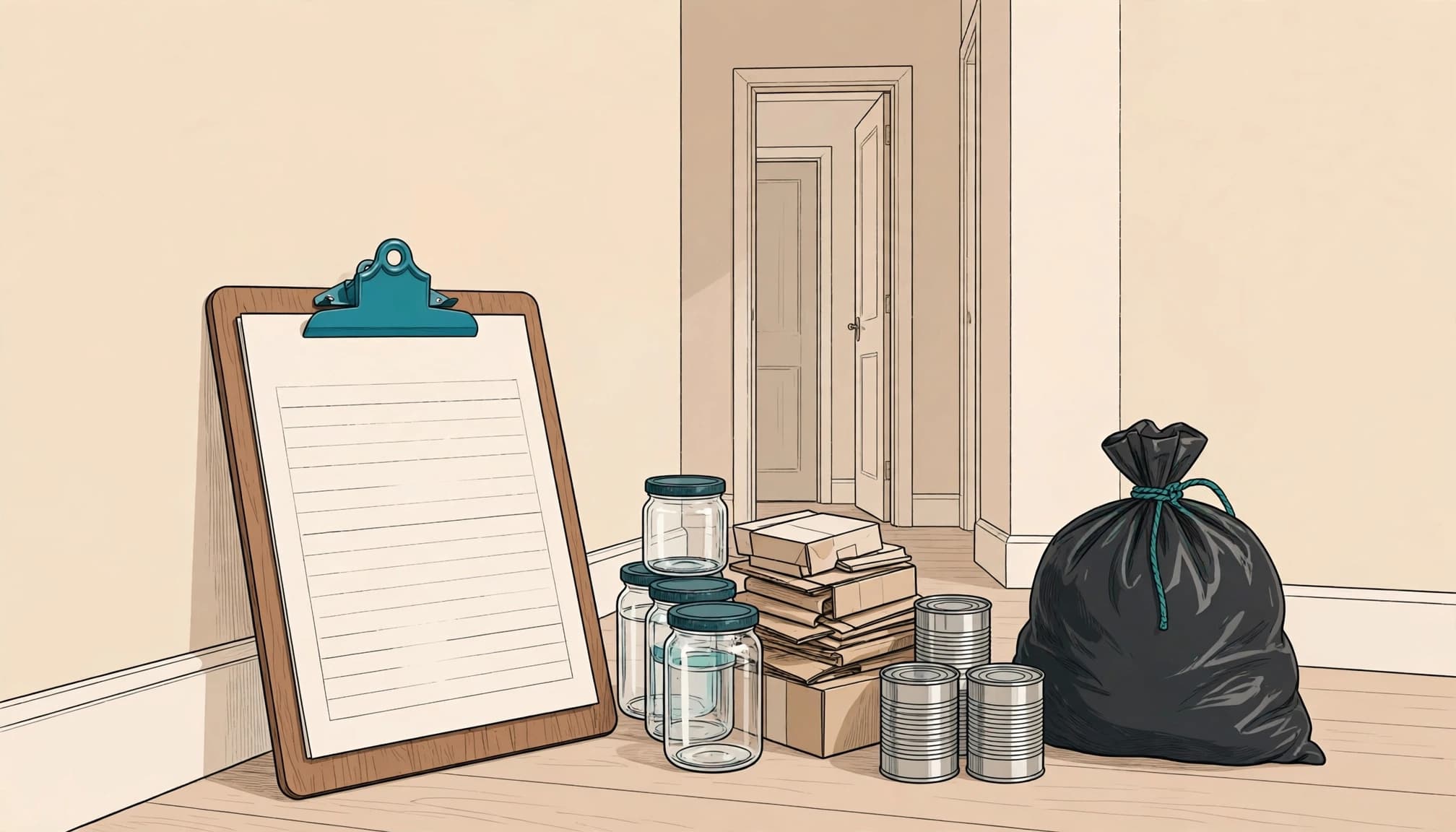
A clearance may involve furniture, documents, electrical goods and belongings that still need a decision. Put the scope in writing: which rooms are included, what must stay and what the team should set aside.
This matters in a probate property or a former tenant’s home. The person giving instructions must have authority to do so. If an item might have value or its ownership is uncertain, leave it out of the removal scope until that is settled.
Ask for a disposal route and useful records
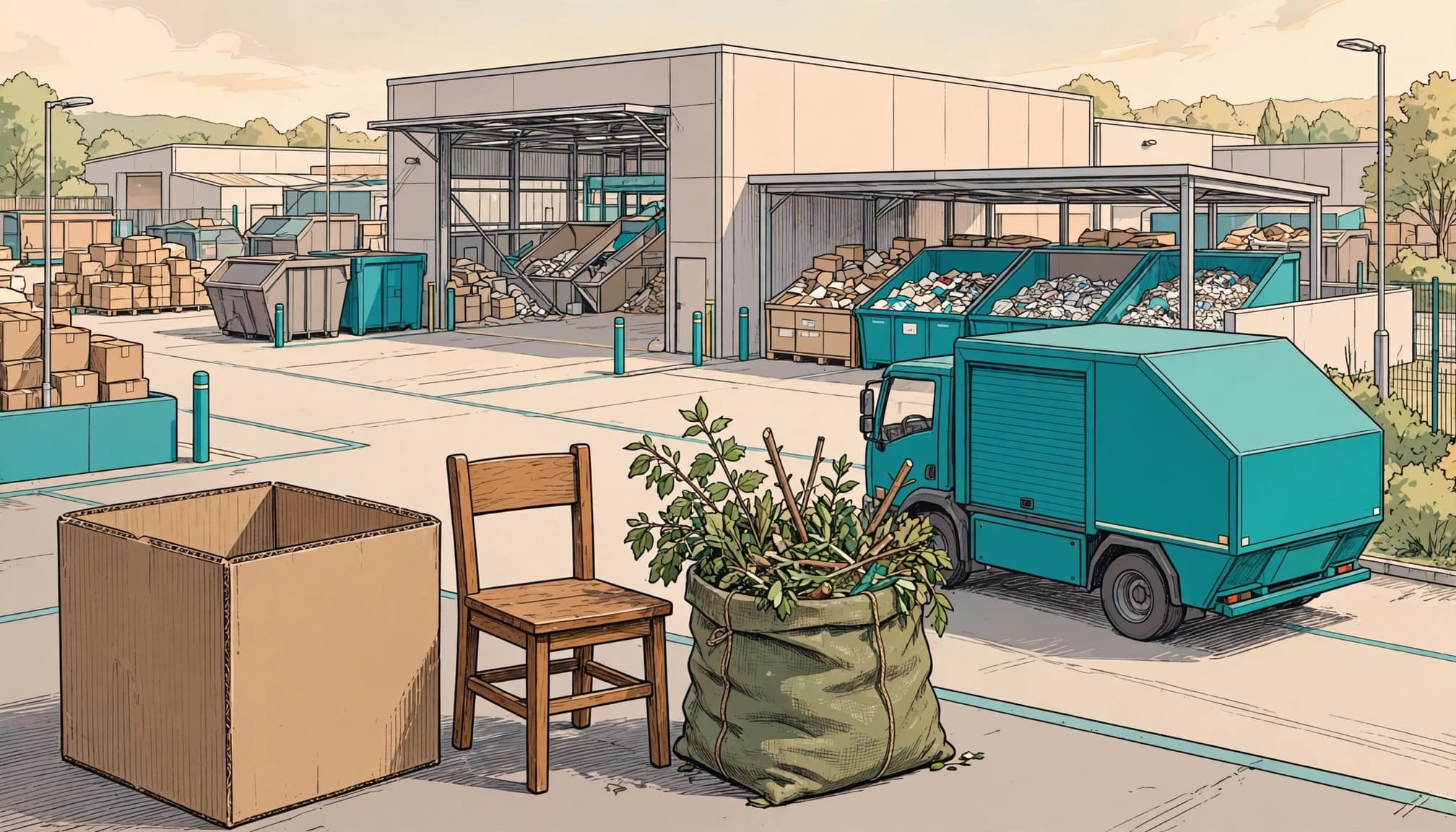
Find out which authorised facility will receive waste that cannot be reused. Ask how electrical items, fridges and other materials needing separate handling will be dealt with. If a company claims “zero landfill”, ask what records support that claim.
The waste duty of care code of practice sets out responsibilities under the duty of care when waste passes between people or businesses. Ask what paperwork applies to your collection. A business waste transfer may need a waste transfer note or equivalent record; a private household clearance doesn’t automatically require identical paperwork.
Keep the quote, invoice, registration details and any transfer or disposal records supplied. They give you a clear account of what was agreed and who took the material away.
Landlords and executors have extra decisions to make
Registration tells you who may carry waste, but it doesn’t give a company authority to dispose of belongings it doesn’t own. You still need to meet your legal obligations and establish who can approve their removal.
Clearing a property after a tenancy
If you’re a landlord dealing with items left by a former tenant, establish what you’re entitled to remove before the clearance starts. Keep relevant photographs, inventories and correspondence. A clearance company cannot make that legal decision for you.
Depending on the circumstances, waste from a property business may be treated as commercial waste for duty of care purposes, unlike a householder’s own domestic waste. If you plan to transport waste yourself as part of your property business, check which registration requirements apply to your activity first.
Managing a bereavement clearance
An executor or authorised representative should decide what can leave the property. Ask the team to set aside documents, keys, financial records and belongings that may need valuation or a family decision.
You don’t need to sort every cupboard before asking for help. You do need one agreed person who can approve the scope and any changes. That keeps the waste decision separate from decisions about belongings that still matter.
Check the limits of a standard clearance
Ordinary household contents and non-hazardous waste are one thing. Hazardous waste, including unknown chemicals, fuel, gas bottles, sharps or suspected asbestos, needs a different assessment. The same may be true of bodily fluids or heavily pest-contaminated rooms.
Tell the provider about anything you know before accepting a quote. Don’t open unidentified containers or disturb suspected asbestos to make the job easier to assess. The company should explain what it can handle, what is excluded and whether a suitable specialist is needed. Waste-carrier registration doesn’t itself authorise or qualify a provider for this work.
Ask about public liability insurance too, particularly where a team will move heavy furniture through shared areas or a difficult property. It’s a sensible hiring check, but it isn’t a condition of waste-carrier registration. Confirm what work the company has agreed to do and how damage would be dealt with.
What if the waste is fly-tipped?
Your responsibility doesn’t necessarily end when the van leaves. A householder can face a fixed penalty for failing to take reasonable care over who receives their waste. That is different from saying anyone who hires an unregistered carrier automatically faces an unlimited fine.
People convicted of fly-tipping can face an unlimited fine or imprisonment, as the government’s fly-tipping enforcement guidance explains. A claimed waste carrier licence or a low price isn’t a substitute for checking the live register.
Before collection, make sure you can answer four questions:
- Which registered business will physically take the waste?
- Does its registration cover the work it is doing?
- What has been agreed for removal, and what must stay?
- Where will the waste go, and what records will you receive?
If the answers keep changing, pause the booking. A clear plan is more useful than a quick promise to empty the property.
Key takeaways
- Check the actual waste carrier on the Environment Agency register and confirm its current tier.
- Agree the removal scope, disposal route and applicable paperwork before the team starts.
- Treat insurance, specialist materials and authority to remove belongings as separate checks.
You can make these checks even when the property is cluttered or you cannot attend in person.
Frequently asked questions
Is a photograph of a waste carrier certificate enough?
Use the live public register as well. A photograph may be old, unclear or issued in another business’s name. Match the number and registered details to the company that will carry the waste.
What if a clearance company uses a subcontractor?
Ask who will load and transport the waste, then check that business on the register. Ask whether its public liability insurance covers the subcontracted work. Your quote should also make clear who is responsible for the work and who will provide any agreed records.
How long should I keep clearance paperwork?
Keep the quote, invoice and any disposal records with your property paperwork. Where a business waste transfer note is required, the relevant parties generally need to keep it for two years. An executor, landlord or letting agent may also want a record of what was approved for removal and when the property was handed back.
A clear check before the property is cleared
You don’t have to take a company’s word for its registration. Check the live entry, confirm who will carry the waste, and agree what happens to belongings before anything leaves. Ask about public liability insurance as a separate hiring check.
If you’re arranging a clearance in Doncaster, Sheffield, Rotherham, Barnsley or nearby, you can tell us about your property with what you know so far. You don’t need to have every room organised first.
