 Skip to content


You don’t need to clear every room before you can reduce fire risk. Start with safe access, working alarms and belongings close to heat.
Hoarding clearance and fire safety need an agreed plan, especially when possessions matter and decisions feel difficult. A rushed clearance can leave unstable piles, move the problem elsewhere or cause distress.
The first priority is understanding whether everyone can leave the property safely.
Why hoarding increases fire risk
Accumulated possessions can block doorways, stairs and hallways. They can also prevent doors opening fully or make it difficult to move without stepping over objects.
Newspapers, cardboard and fabrics provide fuel for a fire. When combustible material is packed together, flames can spread faster. Clutter also makes access harder for firefighters.
The concern is what the belongings prevent someone from doing: leaving, cooking safely, reaching an alarm or closing a door.
Bedfordshire Fire and Rescue Service advises encouraging someone to seek help when clutter reaches picture 4 or above on its illustrated scale. The scale is a prompt for support, not a diagnosis or legal threshold. Check the service’s current guidance for the scale.
Don’t wait for a particular score if an exit is blocked. Reduced mobility, hearing loss or difficulty responding to an alarm can make a smaller obstruction serious because it can increase fire risks.
Keep escape routes clear before wider clearance
Agree the immediate outcome: a route the person can use safely, with doors that open properly. Keep the conversation focused on access rather than the future of every belonging.
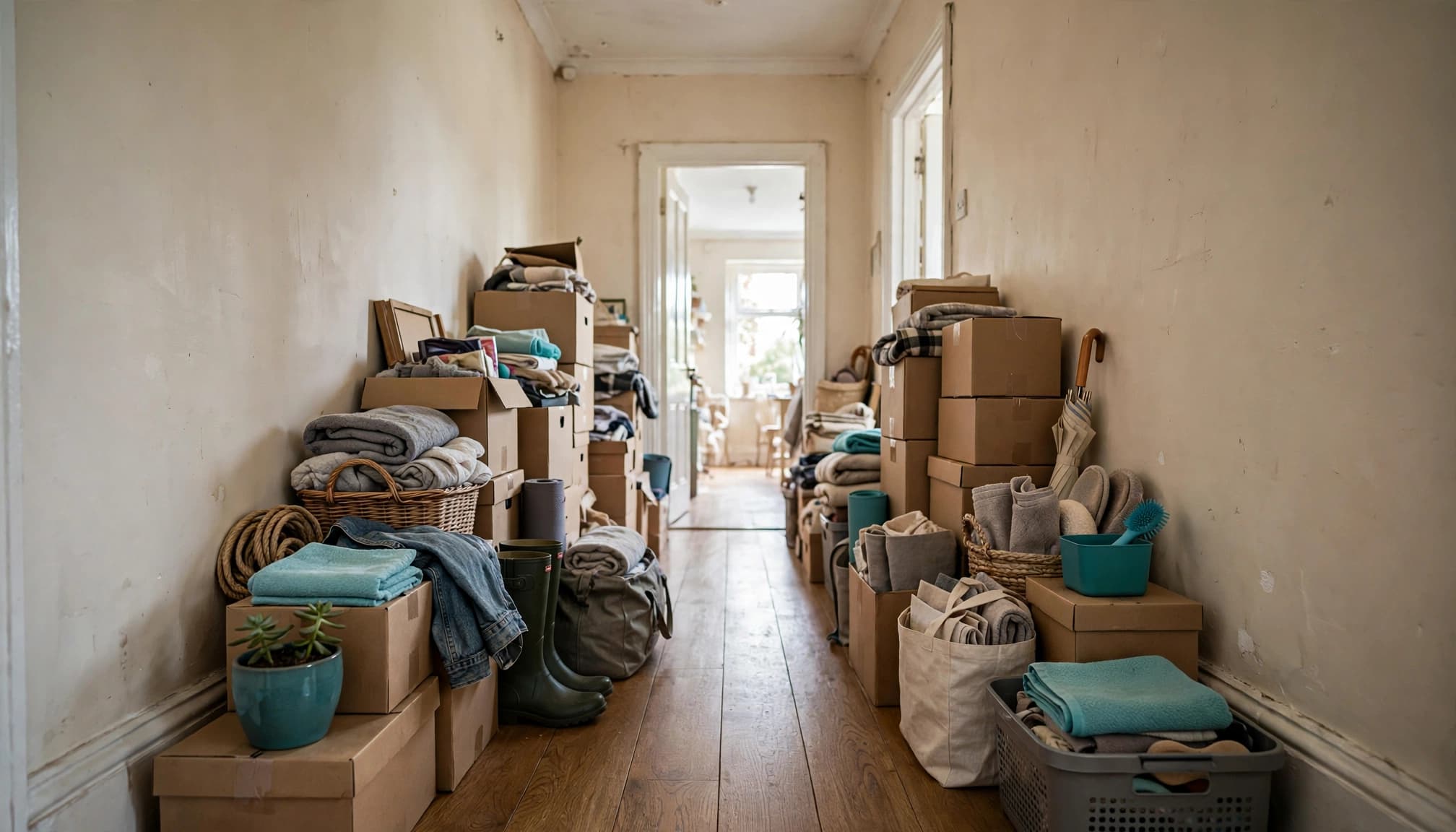
- Walk through the intended escape route only where it’s safe. Look at the path between sleeping areas, stairs and the final exit. Include shared corridors in flats.
- Agree which obstructions can be moved. Set aside keys, documents and belongings that need a decision. Don’t remove possessions without permission or appropriate authority.
- Remove agreed items without creating another obstruction. Avoid leaving bags on stairs, stacking boxes beside heaters or narrowing another doorway.
- Leave the route usable after each session. Doors should open, floors should be passable and keys should be accessible where needed. Review the route with the person who uses it.
A visible gap isn’t enough if someone must turn sideways, climb over objects or cannot use their walking aid.
These are practical safety steps, not a universal legal passage-width requirement. A fire service assessment can account for the building and the person’s needs.
Stop if piles are unstable, floors are damaged or moving one item may bring others down. You don’t need to attempt heavy lifting to show that help is needed.
Reduce cooking, heating and electrical risks
Keep cooking areas and appliances accessible
Clear belongings away from hobs, ovens and other hot surfaces. Keep the space around microwaves and vented appliances clear so air can circulate.
An inaccessible cooker needs attention before someone continues using it. Avoid cooking amongst piles of paper, clothing or packaging.
Don’t overload sockets or extension leads. Keep leads visible rather than buried beneath possessions, and stop using damaged electrical equipment.
If wiring looks unsafe, arrange an electrician’s assessment. Moving clutter won’t repair an electrical fault.
Use safer lighting and heating arrangements
Replace candles and tea lights with LED flameless or battery candles. Any real candle should have a heat-resistant holder and stay well away from flammable items.
Portable heaters must be kept away from possessions and never covered. Don’t use portable heaters, candles or gas hobs to heat a hoarded home. Ask for help arranging safer heating rather than placing a heater amongst clutter.
If someone smokes, encourage smoking outside and using a proper ashtray. Cigarettes should be extinguished fully. Don’t smoke in bed or near medical oxygen.
Raise the particular concern calmly: paper beside the hob, a covered heater or an overloaded lead. A clear description helps everyone understand what needs attention.
Check smoke alarms and agree an escape plan
Make sure the warning reaches everyone
Test smoke alarms once a week. Keep them free of dust and debris, following the manufacturer’s cleaning instructions. Hoarded items shouldn’t cover an alarm or prevent access to it.
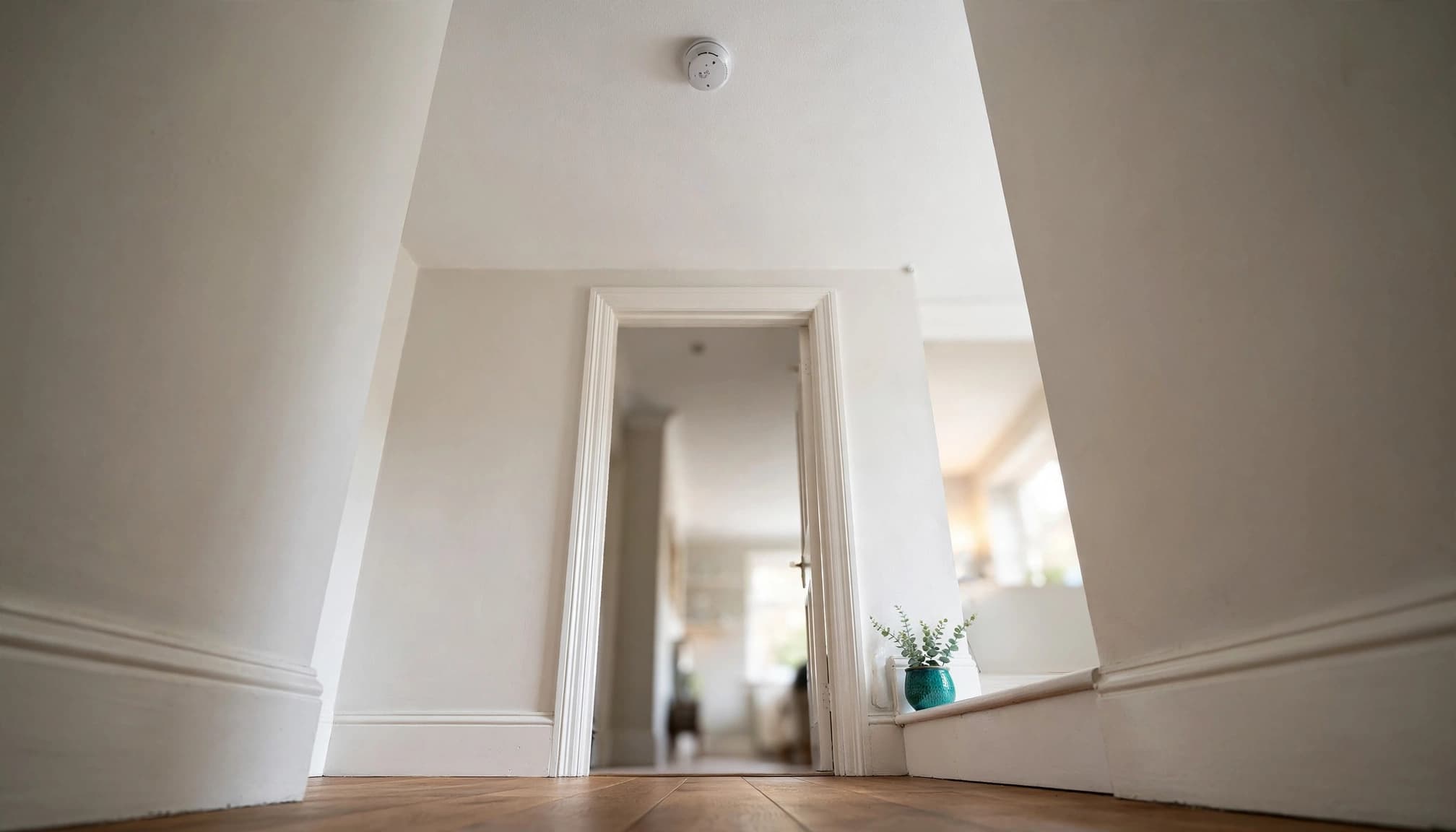
Have at least one smoke alarm on each level. A home fire safety visit can help identify where additional protection is needed.
Someone who cannot hear an ordinary alarm may need specialist equipment. RNID’s guidance on smoke alarms for hearing loss covers systems using flashing lights and vibrating pads. Free provision through fire services or councils depends on local arrangements and eligibility.
Plan what happens when an alarm sounds
Agree the route, who needs assistance and where everyone will meet outside. Practise where safe, allowing for walking aids, poor balance and night-time conditions.
Keep doors closed at night where possible. Don’t wedge open a fire door.
An escape plan needs to match what the person can do, including how quickly they can reach the exit.
If there is a fire, get out, stay out and call 999. Don’t delay to collect belongings. If trapped, call 999 and follow the operator’s instructions.
If clothing catches fire, stop, drop and roll.
Treat petrol and gas cylinders separately
Petrol storage allowance isn’t a safe-storage target
The HSE’s petrol storage rules for homes allow members of the public to store up to 30 litres without notifying the local Petroleum Enforcement Authority.
That allowance doesn’t make storage safe anywhere. Suitable containers and precautions are required, and petrol must not be kept in living accommodation. Check current HSE guidance before storing petrol.
Avoid stockpiling fuel. Its vapour can ignite, and stored fuel adds another risk to a cluttered property.
Don’t decant unknown liquids or put fuel containers amongst ordinary clearance waste. Explain what is present so separate handling can be arranged.
Gas cylinders and medical oxygen need advice
Derbyshire advises against storing gas cylinders in the home. Its guidance says medical oxygen cylinders should be upright and outdoors where possible, never in basements, under stairs or cupboards containing electric meters.
Medical oxygen also needs arrangements agreed with the oxygen supplier. Don’t interrupt prescribed treatment or move equipment without suitable advice.
Tell the fire service and clearance team about cylinders before work begins. They need to understand the risk, rather than discover cylinders during loading.
Agree a staged hoarding clearance
Keep authority and belongings clear
Warwickshire recommends working through one room at a time, sorting belongings into keep, donate and discard. For fire safety, begin with the agreed priority area rather than the easiest room.
Confirm who can approve removal. Keep uncertain belongings and personal papers separate from combustible material approved for disposal.
Our hoarding and clutter clearance can focus on agreed areas where a partial or staged clearance is appropriate. We’ll agree what stays, what can go and what needs further consideration.
Sorting, carrying, removal and cleaning are separate tasks. Put the required work into the scope.
Stop around hazards and leave a usable space
Suspected asbestos, chemicals, sharps and biohazards need separate assessment. Don’t handle them to make the property look ready.
Our guidance on restricted and hazardous clearance items explains why some materials require qualified or authorised specialists.
Sort incoming mail and newspapers on the day they arrive. Recycle unwanted paper regularly, keeping confidential documents separate for secure handling.
Finish each session by removing agreed waste and putting retained items somewhere suitable. Open bags and temporary sorting piles shouldn’t make daily life harder.
Bring in fire safety and wider support
Request a free home fire safety visit
Local fire and rescue services offer free home fire safety visits, sometimes called Safe and Well visits. These can assess hazards, escape routes and alarms.
Services can fit free smoke alarms where needed under local arrangements. Some also provide specialist strobe-light and vibrating-pad alarms.
Many services have online request routes available at any time. Appointments are arranged separately; a request isn’t an emergency response or a promise of a round-the-clock visit.
Explain blocked routes, mobility needs, hearing loss, smoking and oxygen use. Seek tailored advice through your local service’s current guidance.
Address the condition alongside the property
Derbyshire warns that clearance without support for the underlying psychological condition can fail, and possessions may return within around three months. This isn’t a prediction for every person.
Some people use the term compulsive hoarding to describe persistent difficulty letting go of possessions. A clearance provider shouldn’t diagnose anyone; people affected by compulsive hoarding may benefit from person-centred professional support.
A GP, adult social care team or housing provider may be relevant. Warwickshire introduced hoarding support groups from January 2024; its hoarding support guidance lists the prevention team on 02476 314 376.
Serious self-neglect may raise safeguarding concerns. Derby and Derbyshire’s multi-agency hoarding framework sets out person-centred working across services.
Explain the particular risk and whether the person agrees to contact. Immediate danger requires 999.
Key takeaways
- Prioritise a usable escape route and working alarms before wider clearance.
- Keep combustible belongings away from heat, cooking areas and electrical equipment.
- Agree removal decisions and seek specialist help for unsafe access, hazardous materials or fuel storage.
Practical fire-safety advice doesn’t replace legal requirements, prescribed oxygen arrangements or an individual assessment.
Frequently asked questions
Does a fire safety visit mean everything will be removed?
A home fire safety visit assesses risk and offers advice. It isn’t a clearance appointment.
Where serious concerns are identified, other services may become involved. Ask for the proposed actions to be explained and keep the person living there involved wherever possible.
Can a landlord arrange removal without the tenant’s agreement?
Owning the property doesn’t automatically authorise disposal of a tenant’s belongings. Access, tenancy rights and lawful procedures still matter.
Raise fire risks promptly with the housing provider and fire service. Where authority to remove possessions is disputed, obtain legal advice before instructing a clearance team.
A clear next step, without rushing decisions
The first outcome may be one usable route, an alarm that reaches everyone or a fire safety assessment. Agreed, manageable stages keep the work clear and protect belongings that still matter.
You can tell us about your property before everything is organised. Explain what is blocked, what needs to stay and what you know about the risks.
We’ll agree the clearance work and identify where other qualified help is needed.
