 Skip to content


An empty property can need attention before you have a full plan for it. A broken window, a shared set of keys or an unnoticed leak can all compromise vacant property security, and can’t wait for refurbishment or clearance to begin.
If you’re responsible for securing empty property, whether as one of the property owners or on their behalf, start with the immediate risks. Check that you have authority to enter, make the building safe, tell the insurer it’s unoccupied and agree who will check it. The rest of your empty property protection plan can be shaped around how long it will stay empty and what condition it’s in.
Securing empty property starts with a safe assessment
You don’t need to solve every problem on the first visit. A vacant property security assessment should establish who can get in, whether water is escaping and who can make decisions.
Deal with urgent risks first
If there’s a gas smell, fire damage, exposed wiring or serious structural damage, stay out and contact the appropriate emergency service or qualified contractor. Don’t enter a building you believe may be unsafe.
For other urgent problems, work in this order:
- Photograph visible damage, if it’s safe to do so.
- Arrange a temporary repair to an insecure door or broken window; consider security doors if needed.
- Check for leaks and locate the water stopcock.
- Record what was done, who did it and any work still needed.
Keep contractor reports and invoices with the property records. They’ll help the insurer and the person responsible for the next repair.
Confirm who has authority
An executor may be managing a home after a death. A landlord may be dealing with a tenant who has stopped responding. Those situations need different decisions.
Agree one person who can approve access, repairs and spending. If a tenancy or ownership position is unclear, get advice before changing locks, removing belongings or treating the property as yours to clear. You can plan safety work without assuming that an apparently empty building has been lawfully handed back.
Tell the insurer before setting your plan
Vacancy can change the conditions of a property policy. Contact the insurer or broker as soon as you know the building will be unoccupied. Let its terms guide your vacant property security plan, even if you don’t know for how long.
Ask what the policy’s insurance requirements are for inspection visits, locks, alarms, heating and water systems, including whether wireless intruder alarms are suitable. Ask when its definition of unoccupied property begins, how often it requires property inspections and whether you need different cover. The Financial Ombudsman Service guidance on unoccupied properties explains why the period matters: many policies set an unoccupied period, often 30 or 60 days, after which cover may change.
Don’t borrow an inspection schedule from another property. One policy may call for more frequent visits than another. Get the requirements confirmed in writing, name the person responsible for each visit and keep a dated record. If a requirement isn’t practical, discuss it with the insurer rather than leaving a gap in the plan.
Secure doors, windows and the boundary
Start with the likely entry points. Vacant property security depends on sound physical security, and a tidy garden or timed light won’t make up for a back door that doesn’t shut.
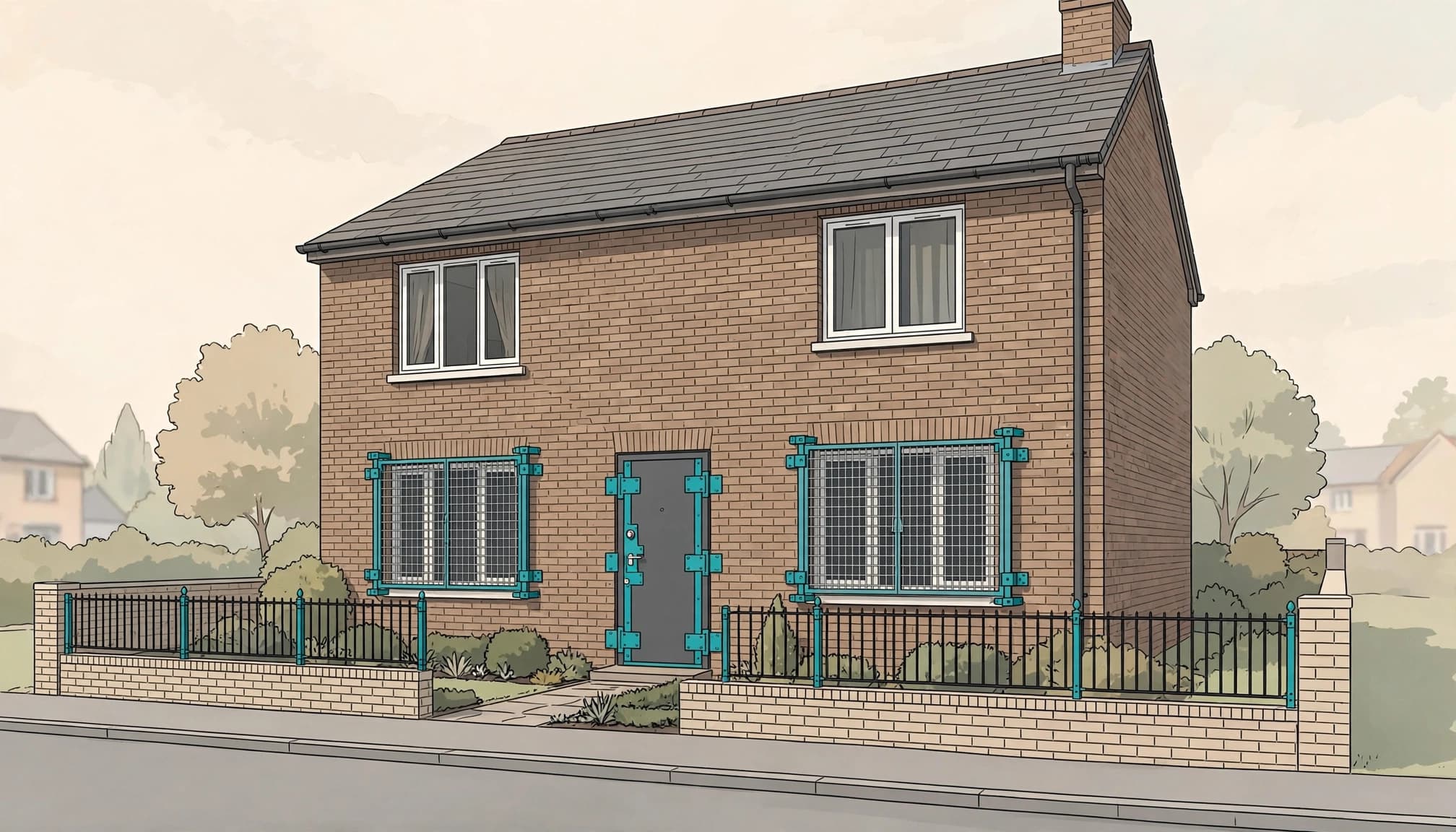
Repair the existing openings
Walk around the property and check doors, accessible windows, rooflights, outbuildings and shared entrances. Look for broken glazing, loose frames and locks that don’t engage. Repairing faults helps prevent unauthorized access.
Ask a qualified locksmith or suitable contractor to fix problems and advise on suitable security doors. Check that doors can still be opened safely from inside when required.
If locks need changing, check your authority first. That matters if a tenancy may still be in place or someone has a right to enter. Once a change is authorised, record who receives the new keys.
Match stronger barriers to the risk
A short, low-risk vacancy may need sound locks, repaired glazing and regular visits. A risk assessment can help match measures to the property’s exposure. Repeated break-ins, an exposed ground-floor shopfront at a commercial property, or a long wait for redevelopment may call for temporary security doors, steel security screens or shutters. CCTV towers may also suit a larger, exposed site.
Ask a specialist to assess the openings before ordering anything, and get qualified advice on installation and any permissions. Make sure the work doesn’t obstruct required exits.
Fencing or concrete barriers may help with perimeter security where access to a yard creates a risk of fly-tipping or vehicle entry. The aim is to block a clear route in, not to make legitimate access harder for contractors or emergency responders.
Keep keys and access under control
Security doors help, but vacant property security is harder to manage if nobody knows how many keys are in circulation. List every key, alarm fob, garage remote and gate code. Include copies held by relatives, former agents and contractors where you can.
Choose a named keyholder and keep a simple access log: date, visitor, reason for entry and any issue found. Share codes only with people who need them, and change them when access arrangements change. For a probate property, keep estate papers and valuables together in a locked room or cabinet where appropriate. Record any item that has to be moved, including who approved it and where it went.
Making the building look cared for can help too. Maintain the garden and boundary as part of your perimeter security, remove post that’s visible through the door and deal with outdoor waste, including any fly-tipping. Timed lighting may be useful where there’s a safe electricity supply, but it shouldn’t replace inspections or physical repairs.
Reduce water and fire risks while nobody is there
A vacant building can suffer damage without anyone noticing for days. Agree what will stay switched on, what needs isolating and who can safely do that work.
Make a winter plan for the water system
Locate and test the stopcock if it’s safe to do so. Where appropriate, turn off the water supply and ask a qualified person whether pipes or equipment should be drained to reduce the risk of burst pipes. Don’t guess how a boiler, sprinkler system or shared supply should be left.
If heating must remain on under the insurance policy, confirm the setting and arrange checks. Allianz’s guidance for unoccupied homes identifies draining the water system during a long winter vacancy as a way to reduce frozen-pipe damage. Your policy, the building’s systems and qualified advice should guide the plan.
Check for hazards before work begins
Remove food likely to spoil and arrange safe disposal of ordinary waste where you have authority to do so. Keep combustible material away from entrances and electrical equipment. Make sure security doors and other barriers don’t obstruct required escape routes. Don’t ask a general clearance team to handle suspected asbestos, chemicals, sharps or gas cylinders as household rubbish. Stop work in that area and seek suitable specialist advice.
Choose alarms and monitoring for the actual risk
The right vacant property security approach depends on the site. A house between tenancies and a large commercial property with repeated trespass need different security solutions. Site-specific concerns may include trespassers, vandalism or squatters, but don’t assume they are present.
These temporary security measures address different gaps:
| Measure | Useful when | What to check |
|---|---|---|
| Temporary wireless intruder alarms | Security doors and windows are secure, but an entry attempt needs detecting | Power source, signal, alarm monitoring and response |
| Monitored CCTV or CCTV towers | A yard, entrance or exposed site needs wider observation | Camera coverage, privacy, power and monitoring |
| Mobile patrols | Someone needs to check conditions on site | Visit times, reporting and escalation |
| Keyholding services | Alarm activations need an agreed responder | Call-out process, access and charges |
Detection only helps if someone acts on the alert. Agree who receives it, how they’ll verify it and when they should call for help. For a higher-risk site, manned guarding by security guards may be appropriate, but isn’t necessary for every vacancy. If the property has no mains electricity, ask suppliers whether their alarm or camera system has a suitable power supply and mobile-network connection. Don’t assume every wireless product works without power or coverage.
A wireless alarm supplier’s guide describes battery-powered intruder alarms that send alerts over cellular networks. Check the proposed system’s battery life, signal and maintenance needs for your building. CCTV towers or a monitored system may suit a larger exposed site; they’re unlikely to be the first purchase for a sound, regularly visited home.
Make inspections useful, not just regular
Set the frequency of property inspections with your insurer, in line with its insurance requirements. Give each visitor a consistent route through the property. Mobile patrols can carry out checks if agreed.
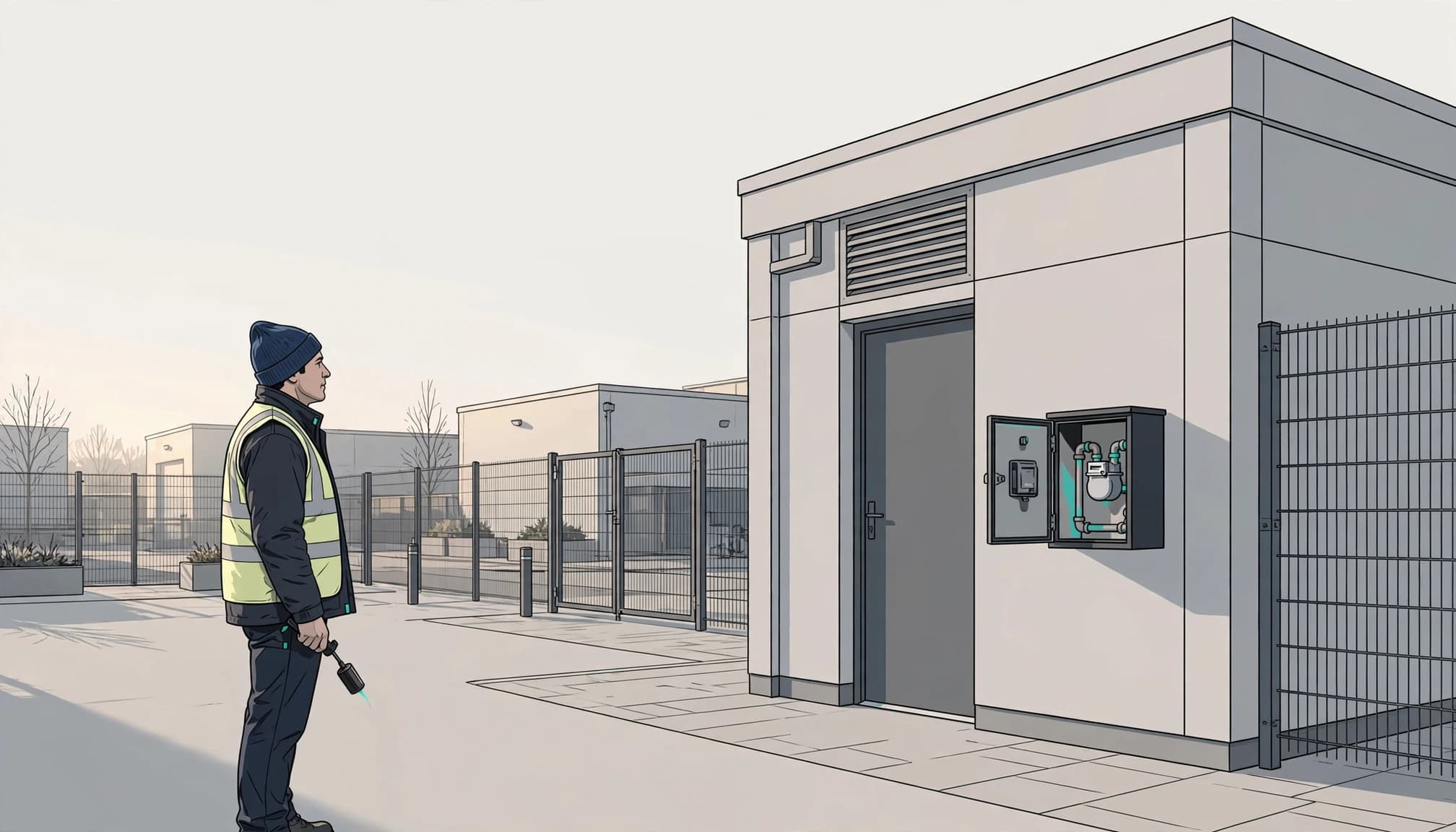
Check security doors, other entry points, signs of forced access, water staining, heating where applicable and the outside boundary. At larger sites, check that CCTV towers cover key areas. Photograph new damage, including vandalism, and record meter readings where useful. Note the date, time, visitor and action taken, including when nothing has changed.
Don’t send someone inside if conditions have become unsafe. A leak near electrics, damaged ceiling or suspected break-in calls for a different response. HomeProtect’s unoccupied property advice also points to checking for damp and water damage during visits. Tell the insurer promptly about damage in line with the policy, and keep the repair record with the inspection notes. Agree whether keyholding services should provide a responder if needed.
If someone may have entered or still has rights to the property
If you find signs of a break-in or suspect trespassers, don’t confront anyone or enter to investigate. Contact the police where a crime may have occurred, follow their advice and arrange safe repairs afterwards. Preserve photographs and access records for any report or claim.
An apparently vacant rented home needs particular care. Unpaid rent, unanswered messages and empty rooms do not, by themselves, prove that a tenancy has ended or that occupants are squatters. Don’t use a security visit as a reason to change locks or dispose of belongings. Keep contact attempts, inspection notes and tenancy records together, then seek advice on the lawful route.
Rules on occupation and removal differ by location and circumstances. In England and Wales, section 144 of the Legal Aid, Sentencing and Punishment of Offenders Act 2012 concerns squatting in a residential building. It doesn’t give a landlord a general right to remove a tenant. A solicitor or qualified housing adviser can help establish the position before you act.
Plan clearance only when it’s authorised
Security sometimes reveals the next job: rooms full of furniture, documents, waste, or items left after a tenancy, as well as fly-tipping around the property. First confirm who can instruct the work and whether possession and belongings have been dealt with lawfully.
Then agree what stays, what can go and what needs another decision. Photograph contents before removal, and protect keys, paperwork, photographs and valuables. If an item’s ownership or importance is uncertain, leave it for the authorised person to review.
For a property in Doncaster or elsewhere in South Yorkshire, you can tell us about your property if clearance or cleaning is needed once you’re ready to arrange it. You don’t need every room sorted first. A description of the condition, access and anything that must remain is enough to start agreeing the scope.
Key takeaways
- Make urgent hazards safe before planning longer-term vacant property security.
- Confirm authority to enter or change locks, especially where a tenancy is unresolved.
- Tell the insurer about the vacancy and follow the conditions in your own policy.
- Repair doors and windows first, adding security doors where needed. For larger, exposed sites, consider CCTV towers if proportionate.
- Keep keys, inspections, repairs and any later clearance decisions recorded.
Frequently Asked Questions
What should I do first when a property becomes empty?
Confirm you have authority to enter, check for urgent hazards and make the building safe. Tell the insurer about the vacancy and agree who will manage access and inspections.
How often should I inspect an empty property?
Follow the inspection schedule set by your insurer rather than borrowing one from another property. Record each visit, what you checked and any action taken.
Can I change the locks on an empty rented property?
Only change them once you have confirmed you have the authority to do so. If the tenancy or right to enter is unclear, seek qualified advice before changing locks or removing belongings.
Does an empty property need an alarm or CCTV?
That depends on the property’s condition, exposure and how long it will be empty. Choose measures that address the actual risks, and agree who will respond to any alert.
A clear next step
An empty property feels less uncertain once someone knows what needs attention today and who will check it next. Start with safe access, sound entry points and a conversation with the insurer.
Then agree a written plan for visits, utilities and any further work. For a larger, exposed site, this may include proportionate use of CCTV towers. Control comes from clear decisions and good records, not from trying to complete every task at once.
