 Skip to content


A house can look ready to clear, yet hold documents, jewellery and belongings that still need a decision. During probate clearance, the safest first step is to pause, protect what is there and confirm who can give instructions.
This is careful probate house clearance for a deceased estate, not a routine tidy-up. Only instruct a professional clearance company after the executor confirms what may be removed, with a clear record and agreed plan in place.
Start with authority, not removal
Being a close relative doesn’t automatically give someone the right to take, sell, gift or dispose of belongings. For a deceased estate, find the will, identify the executor and confirm authority. These executor duties protect the estate and reflect legal obligations to beneficiaries.
Where there is no will, the person entitled to deal with the estate may need to apply as administrator. If authority is unclear, stop and seek advice from probate solicitors or another probate professional. Premature sale, gifting or distribution can create personal liability for an executor.
What can happen before a grant of probate?
There is no fixed day when a property must be cleared. Early work can include securing the home, removing perishables, finding paperwork and making an inventory. This is preservation, not distribution.
An executor’s authority comes from the will, although many organisations will ask to see a grant of probate before releasing funds or transferring assets. Don’t assume that a family agreement is enough to sell belongings or share them out.
What should wait for agreement?
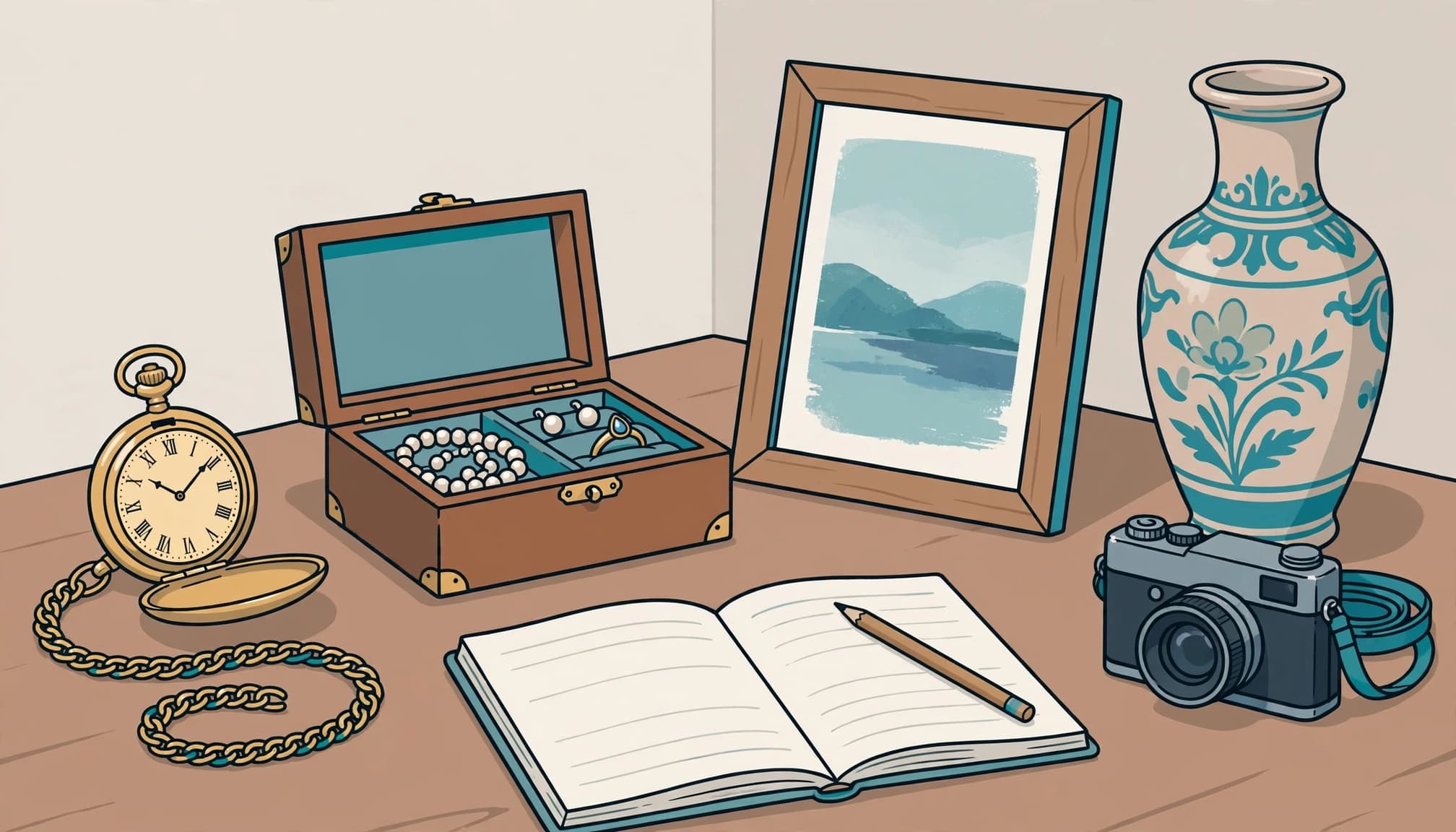
Hold back valuable items, which must not be taken, sold, gifted or discarded informally. That includes jewellery, watches, artwork, silver, coins, medals, collections, vehicles and furniture with a maker’s mark.
Also set aside passports, deeds, bank statements, insurance documents, spare keys and devices. A letter that looks routine may identify an account, debt or policy that still needs attention.
A careful pause at the start is easier than trying to recover an item once it has been sold, donated or removed.
Make a record before anything is moved
Treat jewellery, artwork, documents, collections and other valuable items in probate as part of the estate until the executor decides otherwise. Sentimental value matters too, but it shouldn’t replace a clear record.
Start in the rooms where small items are often missed. Check drawers, wardrobes, filing cabinets, lofts, sheds, garages, bedside tables and inside furniture. Work slowly where the home is heavily cluttered.
Take useful photographs
Photograph each item where it was found, then take closer images of hallmarks, serial numbers, signatures and maker’s marks. A phone is usually enough, provided the images are clear and backed up securely.
Create an inventory of contents and keep it as the estate inventory. Record the room, a short description, condition and any known history. For example, note whether a ring was found in a bedroom safe or an artwork came with a purchase receipt.
Keep photographs and notes with the estate paperwork. They give a qualified valuer useful evidence for a probate valuation, support inheritance tax reporting and provide beneficiaries with a clear record of what was present.
Separate items into clear groups
Use boxes, folders or a lockable room to keep decisions manageable. Mark up a simple inventory with three groups:
- Items that must stay with the estate records, such as documents, keys and property papers.
- Belongings that need a valuation or a decision from the executor.
- Ordinary contents approved for removal, reuse, donation or disposal.
Don’t write bank details or account numbers on visible labels. Keep cash, jewellery and small high-value items in secure storage, with a record of who has access. Don’t release anything without written consent from the executor or a receipt confirming its transfer.
Value items at the right point in time
Inheritance tax values aren’t based on what an item cost new, its insurance value or what somebody hopes it might sell for. HMRC generally looks at the price an item could reasonably achieve on the open market at the date of death.
This can be lower than a retail replacement figure. It can also be higher than expected where an item is rare, signed, well-preserved or part of a sought-after collection.
When a professional valuation is sensible
Get a probate valuation before selling jewellery, antiques, fine art, coins, specialist tools, musical instruments, vintage watches or substantial collections. A qualified valuer, reputable auction house or suitable specialist dealer can assess items within their field.
Ask for the valuation in writing. Keep the written probate valuation, the valuer’s details, photographs, condition notes and any estimate alongside the inventory and estate papers. If an item later sells, keep the sale record and commission statement too.
A professional valuation from an independent qualified valuer can help where an item’s value is uncertain. HMRC’s guidance on open-market values for household goods is a useful starting point, but case-specific tax advice should come from an accountant, solicitor, probate professional or qualified valuer.
Capital gains tax is separate from the tax valuation used when someone dies. Advice may be needed if an estate asset is later sold or disposed of, although that doesn’t mean every inherited item creates a liability.
Keep the tax picture complete
Household contents are only one part of the estate. Property, savings, investments, debts and some pensions may all affect the wider tax position.
From 6 April 2027, most unused pension funds and death benefits will be brought within the scope of Inheritance Tax. The government’s pension inheritance-tax guidance explains the planned change.
Don’t rush an item to auction because a property sale is approaching. A solicitor or probate professional can advise on the timing that applies to the estate.
Keep the property and valuables secure
A vacant property needs attention even when nobody is ready for a full probate house clearance. Good property security helps prevent theft, leaks and access problems when keys are shared informally.
Tell the insurer about the death and ask what the policy requires while the property is empty. Conditions may cover inspection visits, heating, utilities, security and how long the home can remain unoccupied.
Keep access controlled
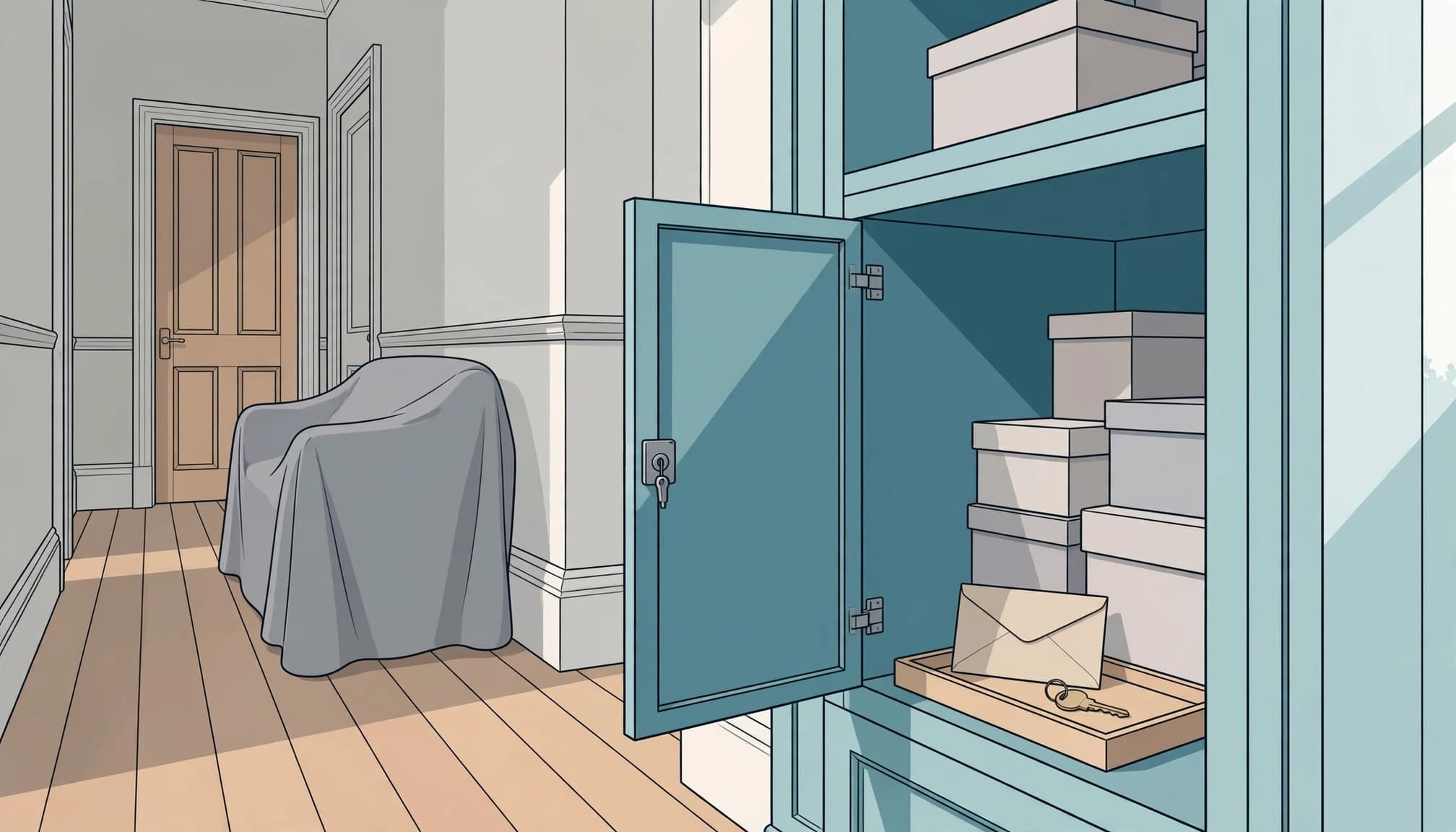
List every key, alarm fob and garage remote. Decide who may enter and keep a simple access log, particularly if several relatives, tradespeople or agents are involved.
Use one lockable cabinet, box or room for valuables and estate documents. Avoid moving items between relatives’ homes unless the executor has agreed it and the transfer is recorded.
Check insurance before the home is emptied
An empty property can look more exposed than a furnished one. Curtains, timed lighting and regular visits may be required under the policy, but terms differ between insurers.
Don’t cancel buildings or contents insurance simply because the owner has died. Confirm what remains covered, what evidence the insurer needs and when the property will be inspected. Check any conditions, exclusions or limits that could affect cover while the home is unoccupied.
Handle family decisions before they become disputes
The hardest decisions are often about a small number of personal items. Photographs, letters, medals and sentimental items can carry more meaning than their resale value suggests.
Competing wishes can quickly create family conflict. The executor shouldn’t be pushed into making decisions in the moment. Give people a fair chance to identify items that matter, then keep the process factual and recorded.
Give relatives a clear way to ask
Share photographs or a short video walk-through where relatives cannot attend. Ask each person to name the items they would like, rather than taking belongings during visits.
A shared inventory can record the item, its condition, who has asked for it and whether release has been authorised. This record may also support inheritance tax reporting before anything is distributed. “Keep all photo albums in the front bedroom” is helpful. “Save anything important” leaves too much to guesswork.
If an item’s value is uncertain or may affect an estate decision, obtain a probate valuation. If it will be sold rather than distributed, capital gains tax advice may also be relevant, depending on the circumstances.
The executor should give written consent before releasing an item to a beneficiary. Keep a signed receipt or transfer record for every release. The same evidence should be kept where a charity donation has been authorised, rather than arranged informally.
Pause where ownership is unclear
If two people want the same item, don’t force an answer on clearance day. The executor may agree a fair method later, such as turns of choice for low-value items, but valuable items may need further advice.
Be especially careful where there are blended families, estranged relatives, co-owned possessions or concerns about a claim against the estate. Claims under the Inheritance (Provision for Family and Dependants) Act 1975 normally have a six-month time limit from the grant of representation. A solicitor can advise if that may affect distribution.
Use a clearance company for agreed work only
A professional clearance company can provide probate house clearance by removing approved contents, sorting material into agreed categories and providing a practical handover. It cannot decide who owns an heirloom, whether a gift in a will is valid, or what value belongs on an inheritance-tax form. It also cannot advise on inheritance tax or capital gains tax.
The executor retains legal responsibilities for authorisation and records, so give the clearance service written instructions before work begins. Confirm what stays, what can go, which rooms are included and who can make a decision if an uncertain item is found.
Agree the scope and cost
Ask for a fixed quote covering labour, access, disposal, recycling, cleaning and any exclusions. Hazardous materials, asbestos, chemicals, sharps and some electrical items may need separate arrangements.
Clearance costs are usually reasonable costs of estate administration. An executor may need to pay a supplier before estate funds are available, then seek reimbursement. Keep the quote, invoices, receipts, payment record and any approval from co-executors.
A room-by-room plan can work well where a tenancy deadline, property sale date or insurance condition requires action before the whole property is ready.
Keep waste paperwork
A reputable provider should explain how household waste will be handled under environmental regulations and remove only approved material. Ask for a waste transfer note where it applies, and keep it with the estate file.
GOV.UK’s waste duty of care code explains the responsibilities involved when waste is passed to another person. Claims such as “zero to landfill” describe a provider’s service standards, not a substitute for waste records.
If you are arranging clearance in South Yorkshire, you can tell us about your property before everything has been sorted. Start with what you know, what needs to stay and what needs more time.
Key takeaways before items leave the property
Keep the process simple:
- Confirm who has authority before anything is sold, gifted, donated or removed.
- Photograph and inventory valuables, documents and sentimental belongings where they are found.
- Obtain independent valuations where an item’s value is uncertain or may affect tax reporting.
- Protect the property, check insurance conditions and keep access controlled.
- Use written instructions, receipts and waste records throughout the clearance.
A clear probate clearance plan protects what matters. It also gives the executor a proper record of the decisions made.
Frequently asked questions
Can an executor clear a house before probate is granted?
They can usually secure the property, remove perishables, locate documents and prepare an inventory. Wider clearance, sale and distribution decisions should wait until the executor has checked the will, beneficiary rights and any tax or legal duties.
Where a tenancy, insurer or property sale creates pressure, partial clearance may be more suitable than emptying the whole home.
Can valuable belongings be donated before probate is complete?
Only when the executor or authorised representative has approved it. Items may need a probate valuation and recording for inheritance tax purposes, even if nobody in the family wants them.
Keep written details of what was donated and where it went. If ownership or value is disputed, leave the item outside the clearance scope and seek advice.
If an item is sold later, capital gains tax may require separate advice from an accountant or solicitor. A clearance company can’t advise on this.
Who pays for professional probate clearance?
Reasonable clearance costs are normally paid from the estate. The executor may need to arrange payment upfront, particularly before accounts are released, so invoices and receipts should be retained for reimbursement.
The cost of house clearance work depends on the amount of material, property access, sorting needs, disposal routes and whether cleaning is included.
A careful plan keeps control with the estate
Valuable items need time, evidence and the right approval. Photograph them, secure them, obtain advice where needed and do not let them leave the property on an informal decision.
You don’t need to have every answer before work starts. You need a clear pause, a record of what matters and an agreed next step.
